Conservation in Action
Recovery programs, citizen science, and what you can actually do to help Colorado's most vulnerable species.
Active Recovery Programs
Black-Footed Ferret Recovery Program
Source ↗U.S. Fish & Wildlife Service + Colorado Parks & Wildlife
One of North America's most intensive recovery programs, involving captive breeding at the National Black-footed Ferret Conservation Center in Wellington, CO, annual spotlight surveys, and drone-delivered oral sylvatic plague vaccine across reintroduction sites on the eastern plains.
Colorado River Fish Recovery Program
Source ↗U.S. Bureau of Reclamation + State Wildlife Agencies
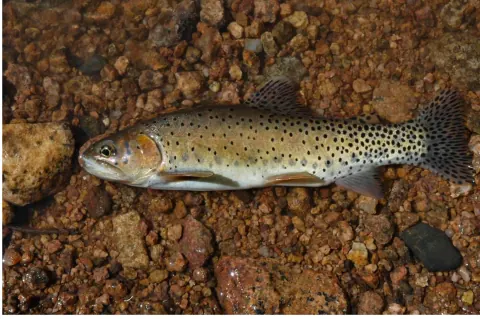
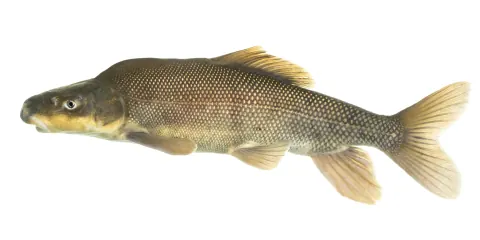
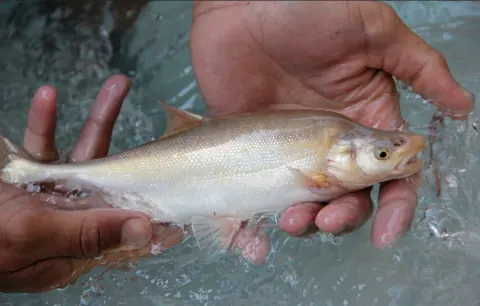
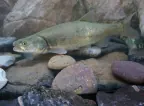
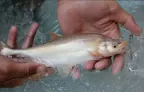
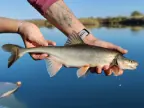
A multi-agency effort targeting four endangered Colorado River fish — razorback sucker, Colorado pikeminnow, humpback chub, and bonytail. Focuses on water management agreements, fish stocking, and non-native fish removal in the upper Colorado River basin.
Gunnison Sage-Grouse Conservation Plan
Source ↗Colorado Parks & Wildlife + USFWS
A landscape-scale conservation plan for the Gunnison Basin and six satellite populations of the world's only Gunnison sage-grouse. Addresses habitat connectivity, lek protection, and predator management across private and public lands.
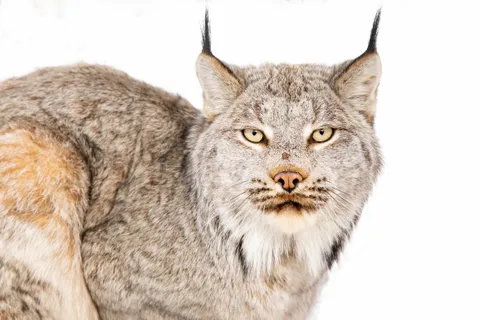
Canada Lynx Conservation Plan
Source ↗Colorado Parks & Wildlife
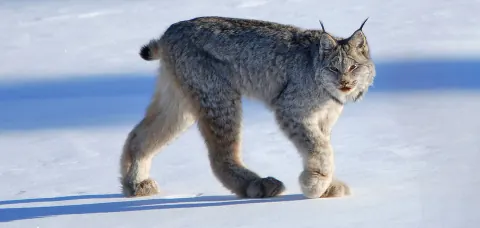
Since reintroduction between 1999–2006, Colorado's lynx population has established a self-sustaining breeding population in the San Juan Mountains. Ongoing monitoring tracks dispersal, reproduction, and connectivity with Wyoming populations.
What You Can Do
Effective conservation doesn't require a biology degree. Most of the highest-leverage actions are accessible to any Colorado resident.
Report Sightings
Verified observations on iNaturalist and eBird directly inform researcher databases. A documented sighting in an unexpected location can shift survey priority.
Landowner Programs
Private landowners in prairie and sagebrush country can enroll in NRCS programs like RCPP and EQIP that compensate for habitat management practices.
Comment on Public Lands
BLM and Forest Service resource management plan revisions accept public comment. Comments in support of sensitive species protections directly influence land-use decisions on millions of acres.
Voluntary Water Leasing
The Colorado Water Conservation Board's instream flow program allows water rights holders to voluntarily lease flows to maintain minimum stream flows for native fish.
Keep Pets & Livestock Secured
Free-roaming domestic cats kill an estimated 1–4 billion birds annually in the U.S. In rural areas, guard animals and electric fencing reduce livestock-wildlife conflict that often results in predator removal.
Native Plant Gardens
Replacing turf with native Colorado plants reduces water use and provides food and habitat for pollinators, songbirds, and other species throughout their life cycles.