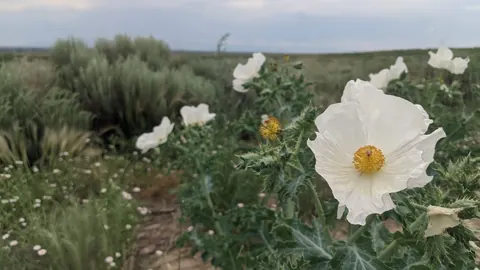
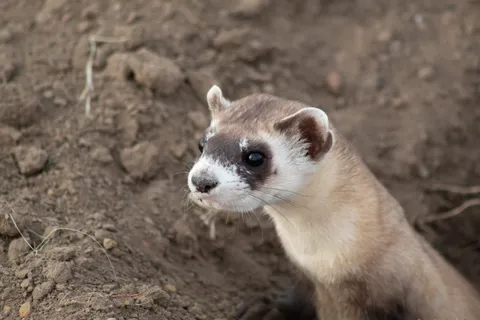
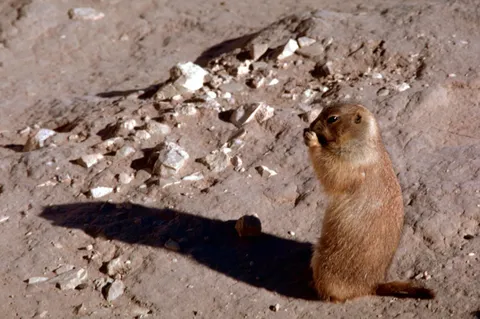
Short grasses such as blue grama dominate Colorado's eastern plains. It is the most altered of Colorado's major ecological systems: nearly half of the state's shortgrass prairie was converted in the past century, according to 2011 data from the Colorado Natural Heritage Program.
Forests of ponderosa pine, lodgepole pine and Douglas-fir, with aspen groves and open meadows. Ponderosa pine is most common between 6,000 and 9,000 feet.
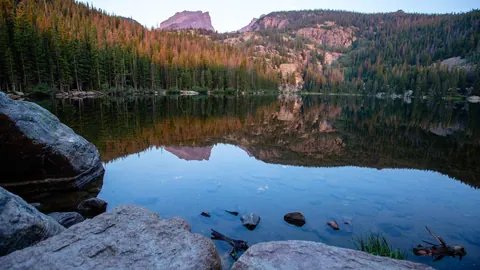
Dense forests of Engelmann spruce and subalpine fir, covering about 4.6 million acres, or 19% of Colorado's forested land. Near treeline, wind stunts the trees into low, dense krummholz; well-established krummholz trees may be several hundred to a thousand years old.
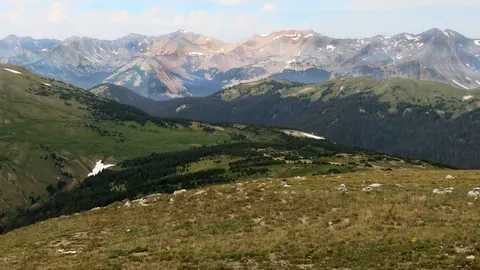
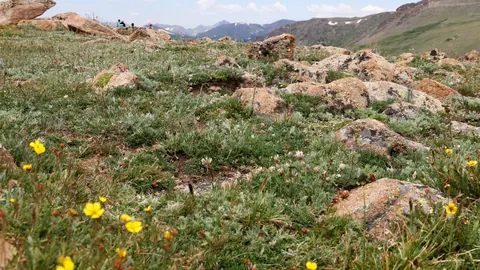
Above treeline, the tundra covers only about 3% of Colorado. July's average high is 52°F, summer winds average about 20 mph, and the growing season may last just 40 days.
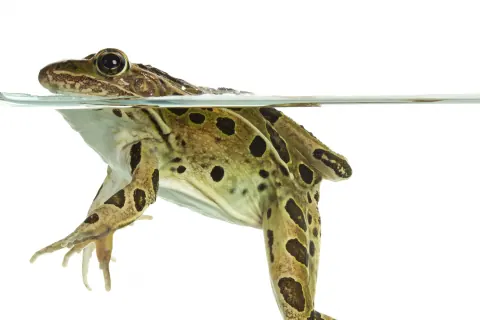
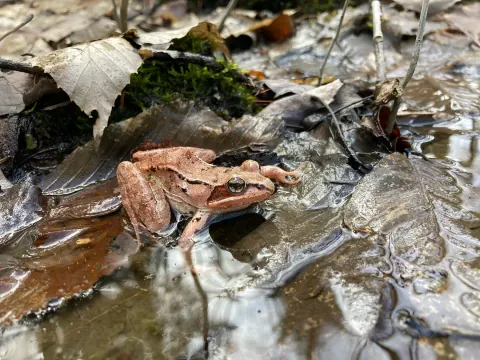
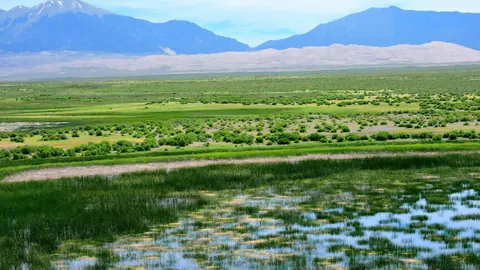
Wetlands make up less than 2% of Colorado's landscape, yet over 75% of the state's species benefit from them. Plains cottonwood forests line rivers on the eastern plains, and montane riparian forests begin around 6,000 to 7,500 feet.
Plants
plains cottonwood
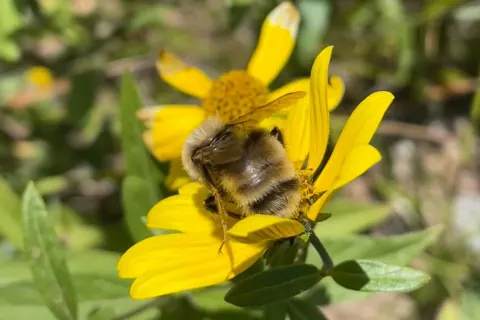
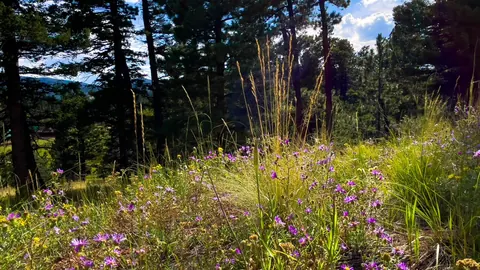
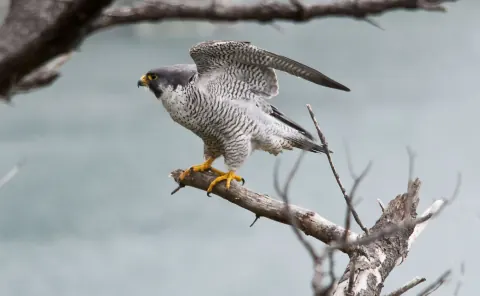
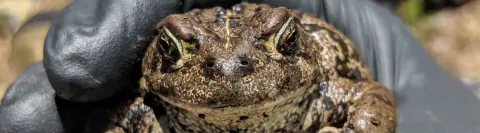
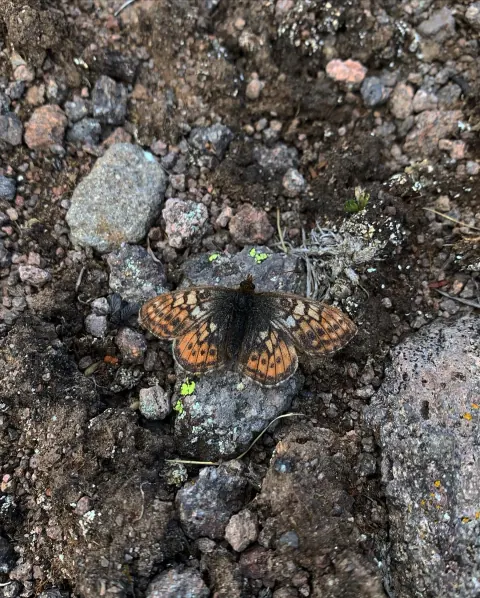
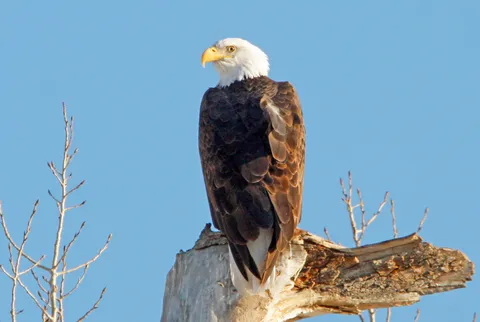
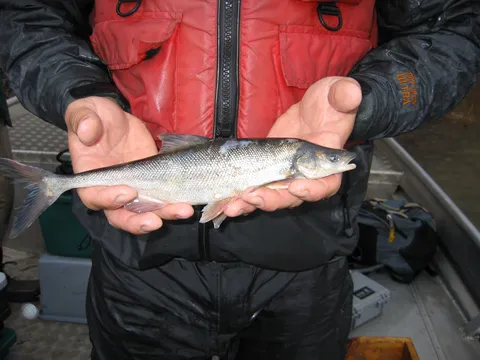
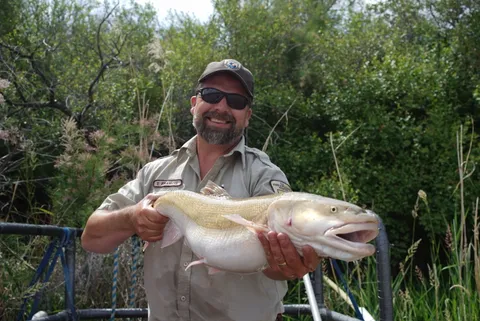
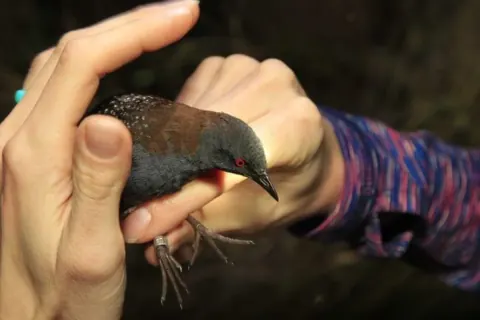
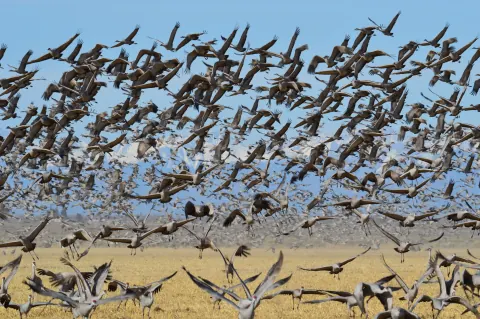
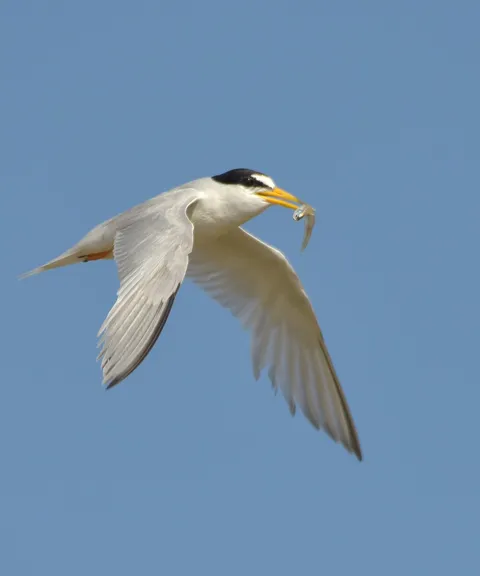
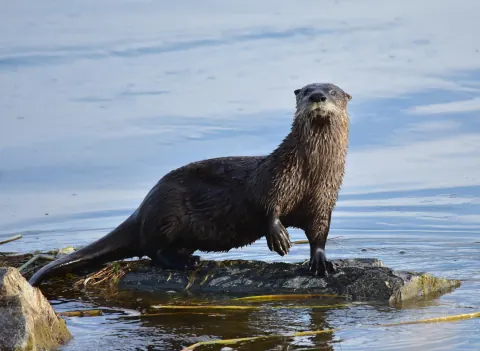
Photo pins mark species in each zone. Point to a pin, or select it, to see its elevation range or zone.
Elevation ranges are typical, not fixed. Habitat boundaries shift with slope direction, latitude and local conditions.
Profile: USGS 3DEP elevations. Not to horizontal scale.
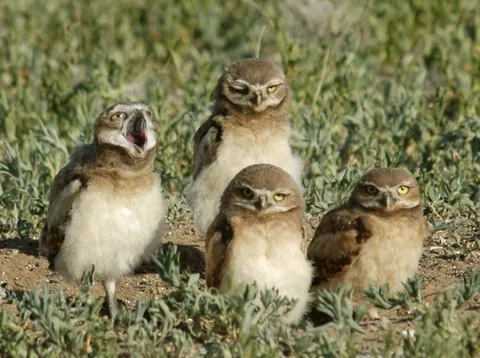
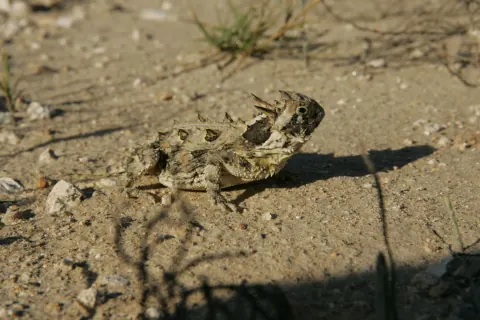
Short grasses such as blue grama dominate Colorado's eastern plains. It is the most altered of Colorado's major ecological systems: nearly half of the state's shortgrass prairie was converted in the past century, according to 2011 data from the Colorado Natural Heritage Program.
Mesas and foothills, mostly on the West Slope — 4,900–8,000 ft
Low, open woodlands of piñon pine and juniper cover just over 5 million acres, about 21% of Colorado's forested land. Annual precipitation is typically 10 to about 15 inches.
West Slope, North Park, Middle Park and the upper Gunnison Basin — 5,000–10,000 ft
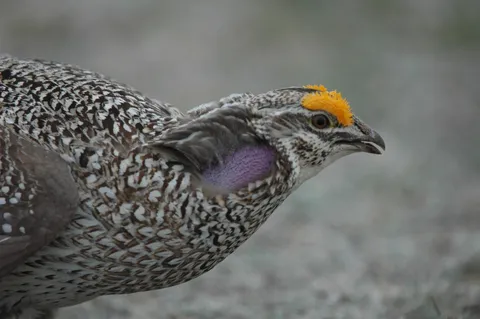
Sagebrush shrublands grow on both slopes, but the largest stands are on the western slope, with extensive stands in North Park, Middle Park and the upper Gunnison Basin. The Gunnison sage-grouse lives only in central and southwestern Colorado and southeastern Utah; at its 2014 listing, USFWS's listing rule put about 84% of the birds in the Gunnison Basin.
Foothills and lower mountain slopes — About 5,600–9,500 ft
Forests of ponderosa pine, lodgepole pine and Douglas-fir, with aspen groves and open meadows. Ponderosa pine is most common between 6,000 and 9,000 feet.
High mountain slopes, just below treeline — About 9,000–11,000 ft
Dense forests of Engelmann spruce and subalpine fir, covering about 4.6 million acres, or 19% of Colorado's forested land. Near treeline, wind stunts the trees into low, dense krummholz; well-established krummholz trees may be several hundred to a thousand years old.
Above treeline, the tundra covers only about 3% of Colorado. July's average high is 52°F, summer winds average about 20 mph, and the growing season may last just 40 days.
Wetlands make up less than 2% of Colorado's landscape, yet over 75% of the state's species benefit from them. Plains cottonwood forests line rivers on the eastern plains, and montane riparian forests begin around 6,000 to 7,500 feet.
Western and southwestern Colorado — Semi-desert grasslands 4,750–7,600 ft
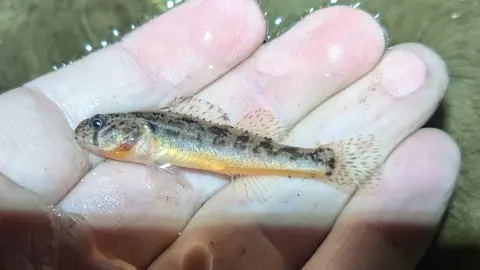
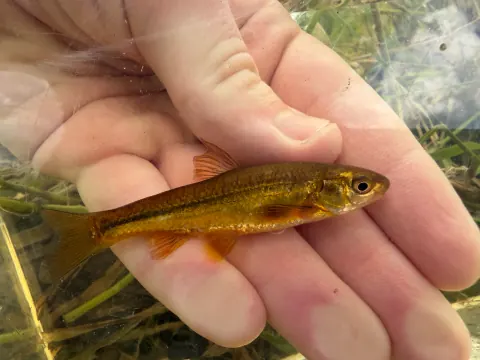
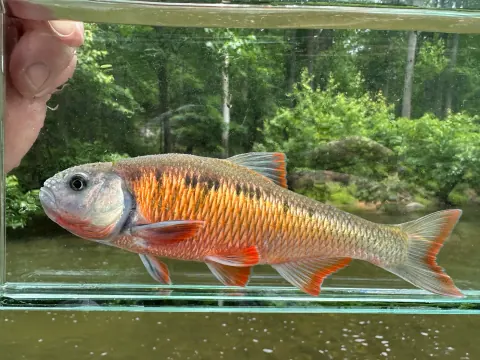
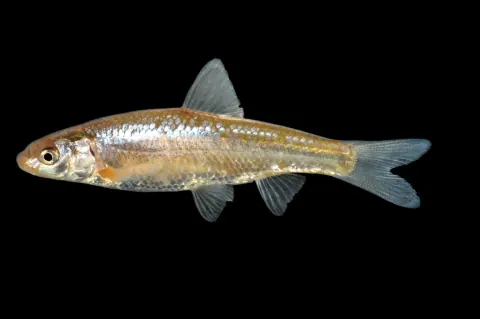
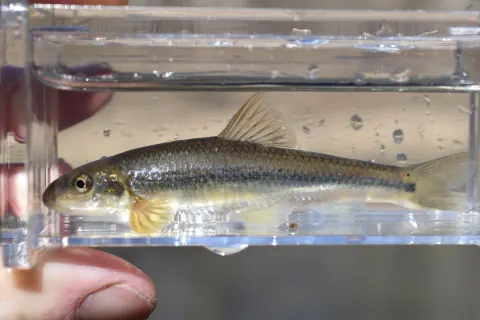
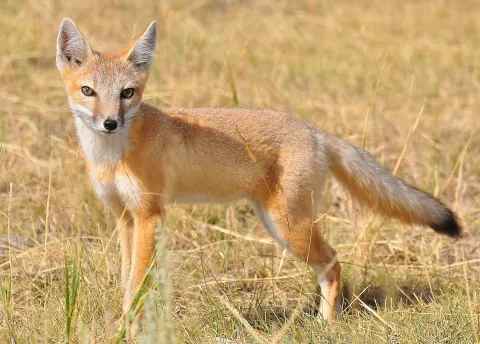
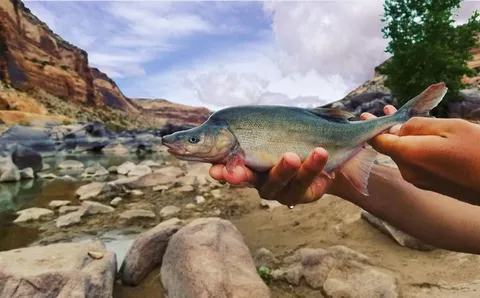
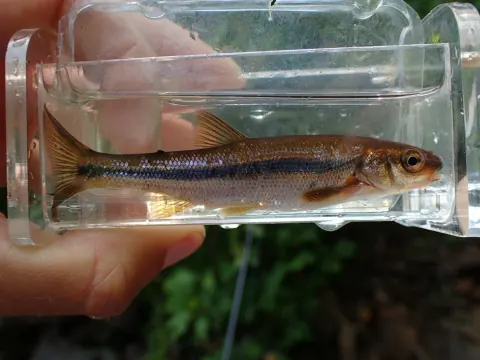
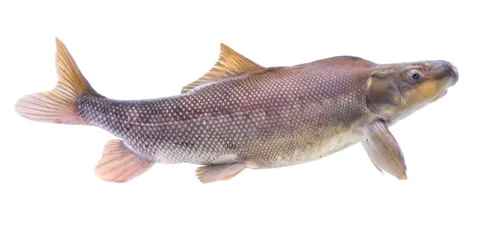
Canyons, mesas and dry shrublands along the Colorado, Gunnison and Dolores rivers. Kit foxes live in the semi-desert shrublands from Montrose to Grand Junction, and the Colorado River's endangered fish live in the big warm rivers that cut through this country.