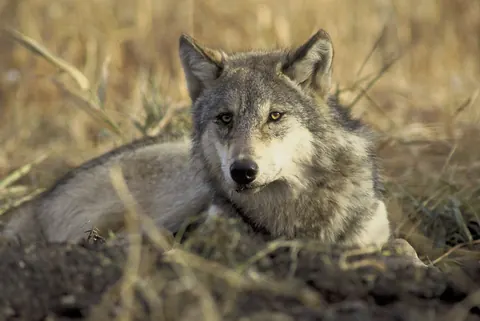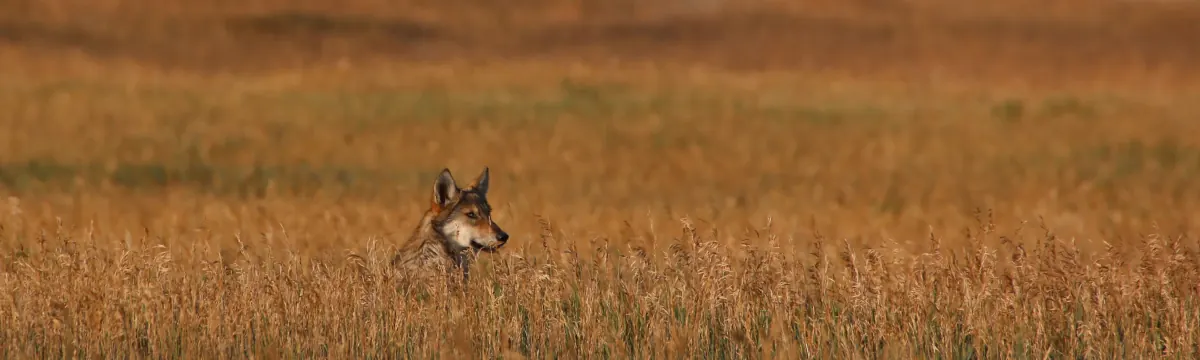
On June 18, 2024, Colorado Parks and Wildlife confirmed a wolf pup in Grand County, born to a pair released on the Western Slope the previous December. It was the first wolf known to be born in Colorado since the species was wiped out in the state by the 1940s through trapping, shooting, and federally sponsored poisoning campaigns. CPW named the family the Copper Creek Pack, and biologists later counted five pups in the litter.
The confirmation came about six months after CPW released ten wolves captured in Oregon onto public land on Colorado’s Western Slope in December 2023. Those releases fulfilled the mandate of Proposition 114, which Colorado voters approved in November 2020 by 50.9% to 49.1%. Conservation groups called it the first time voters in any state had ordered the reintroduction of an endangered species.
From release to reproduction
The December 2023 releases placed wolves in Grand and Summit counties, in terrain that supports large elk and deer herds across vast tracts of public land. Each animal was fitted with a GPS collar, and CPW has tracked their movements continuously since.
The wolves dispersed quickly and widely. Within weeks, GPS collars placed released wolves across Grand, Summit, Eagle, Routt and Jackson counties, and by early 2024 some had reached Moffat County — behavior consistent with the enormous territories wolves establish and the long exploratory movements young animals make before settling.
Reproduction is the threshold that separates a release program from a population. Adults that survive a year are a promising sign; pups born on the landscape mean the animals are pairing, denning, and provisioning young in Colorado habitat. Under Colorado’s wolf plan, wolves move from state endangered to state threatened once at least 50 are counted for four years in a row, and come off the state list at 150 wolves for two years or 200 at any time. Reaching those numbers depends on successful reproduction repeating across multiple years and generations — not on the survival of the founding animals alone.
Managed by the state, under a federal rule
Colorado’s wolves occupy an unusual legal position. Gray wolves remain protected under the federal Endangered Species Act across most of the lower 48. But before the releases, the U.S. Fish and Wildlife Service designated Colorado’s wolves a nonessential experimental population under section 10(j) of the Act, in a rule finalized in November 2023. That designation gives the state more flexibility to manage them, including how it responds to wolves that kill livestock. That places the consequential decisions — how conflicts are handled, when intervention is warranted, what compensation is owed — with CPW and the Colorado Parks and Wildlife Commission.
That authority comes with obligations. CPW administers a livestock depredation compensation program for ranchers who lose animals to wolves, alongside conflict-minimization assistance such as range riders and carcass management. How well those programs work will shape the political durability of the restoration as much as the biology will.