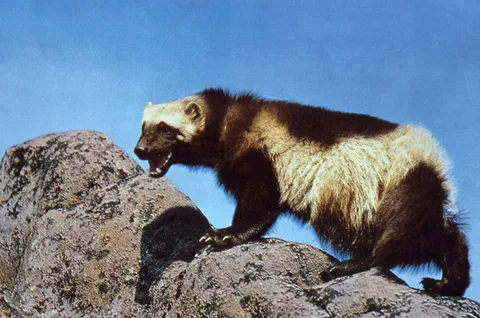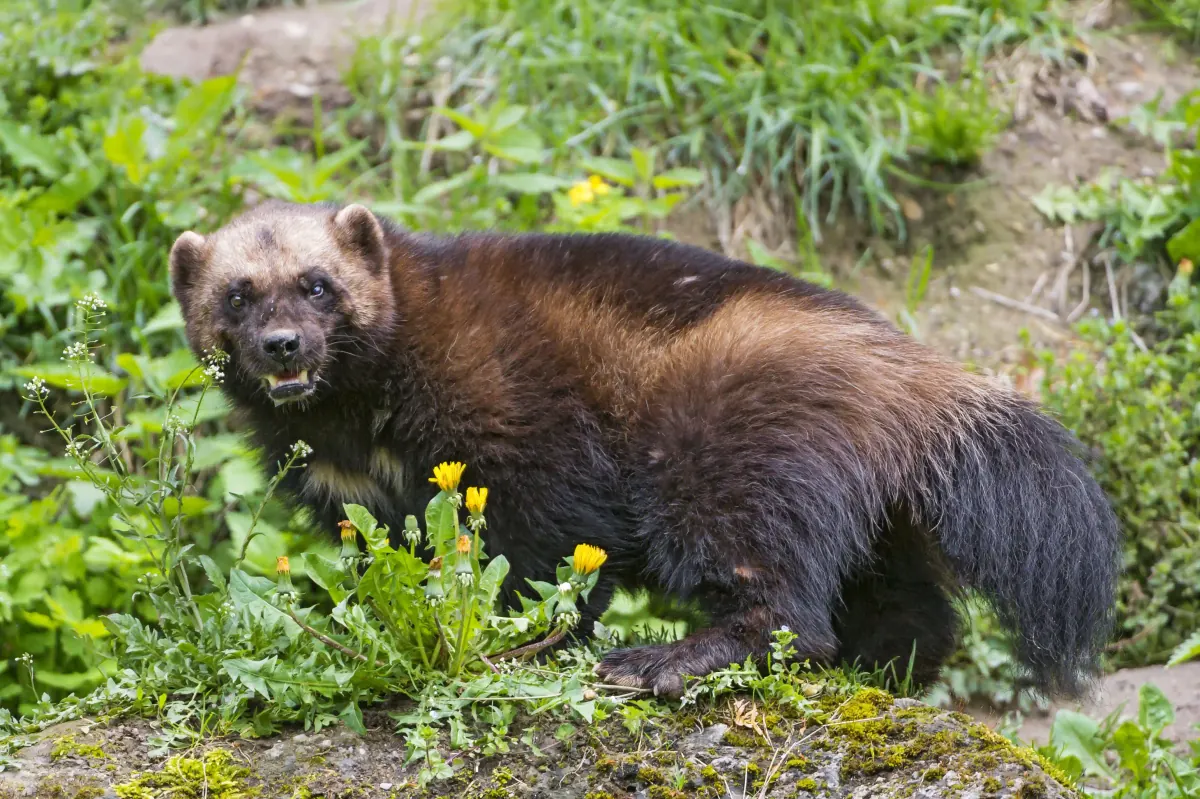
Colorado Parks and Wildlife released its formal Wolverine Restoration Plan on January 15, 2026 — a 106-page document laying out the framework for returning wolverines to Colorado’s high country for the first time in more than a century.
The plan calls for releasing up to 15 wolverines per winter for three or more winters, for a total of 45, drawn from source populations in the northern Rockies. Colorado holds an estimated 20 percent of all modeled wolverine habitat in the contiguous United States, making it one of the most significant potential recovery sites for the species in its lower-48 range.
Background
Wolverines were eliminated from Colorado by the early 1900s through unregulated trapping and poisoning. The last confirmed wild wolverine in the state was a male designated M56, tracked from Wyoming to Colorado in 2009 — the first confirmed sighting in nearly 90 years — before being shot in North Dakota in 2016.
The path to formal reintroduction has been long. In May 2024, Governor Polis signed Senate Bill 24-171, authorizing CPW to pursue reintroduction and allocating approximately $1.7 million over four years from the Species Conservation Trust Fund. The January 2026 plan represents the culmination of that authorization process.
What comes next
No release date has been announced. Before wolverines can be moved into the state, CPW must finalize a livestock depredation compensation rule and obtain a federal designation from the U.S. Fish and Wildlife Service that allows Colorado’s state-managed reintroduction to comply with the Endangered Species Act — under which wolverines were listed as Threatened in November 2023.
The federal designation step has become complicated by the current political relationship between Colorado’s wildlife programs and the Trump administration, which has taken an adversarial posture toward several state wildlife restoration efforts.
Climate stakes
The wolverine’s listing as Threatened was driven explicitly by climate change — the species’ reproductive biology is physically tied to deep spring snowpack, and models project significant loss of suitable habitat in the contiguous United States by the end of the century. Colorado’s high-elevation terrain provides some of the most climate-resilient wolverine habitat remaining in the lower 48.
CPW’s full Wolverine Restoration Plan is available at cpw.state.co.us/wolverine.