What it is
In Colorado, climate change shows up first as heat. In the words of the state’s 2024 Climate Change in Colorado report, “Statewide annual average temperatures warmed by 2.3°F from 1980 to 2022.” Statewide, growing-season potential evapotranspiration rose 5% over the same years, and modeled high-elevation soil moisture declined.
Snow and rivers follow. This century, April 1 snowpack has been 3% to 23% lower than the 1951–2000 average across Colorado’s major river basins, and annual streamflow 3% to 19% lower. The report says “Modeling studies have attributed up to half of the observed decrease in streamflow since 1980 in Colorado river basins to warming temperatures.” Measured by water-year precipitation, four of the five driest years in the state’s 128-year record have occurred since 2000.
Drought is natural. Hot drought is new
Drought is not new to Colorado. NOAA’s drought.gov puts it plainly: “Drought is a normal climate pattern that has occurred in varying degrees of length, severity, and size throughout history.” The record since 1895 shows 8 significant dry periods, including the Dust Bowl of the 1930s and major droughts in the 1950s, 1960s and 1970s. Tree rings reach much further back. A University of Arizona study found that Colorado River flow was below normal for 13 years in a row during a megadrought that spanned 1118 to 1179.
What is new is the heat. The state report says each 21st-century drought, centered around 2002, 2012 and 2020, came with low peak snowpack and early runoff, lower streamflows, dry soils during very hot summers and high evaporative demand. That pattern has been termed “hot drought.” The report’s conclusion: “Warming temperatures have increased the severity of 21st century droughts in Colorado.” It adds: “Regardless of changes in precipitation, rising temperatures are making droughts more severe and frequent.”
The same question has been asked of the whole Southwest. A 2022 study in Nature Climate Change found that 2000–2021 was the driest 22-year period in southwestern North America since at least the year 800. Its models attribute about 42% of the soil moisture deficit to human-caused climate change. In NOAA’s summary, “the current drought would have been dry even without climate change, but not to the same extent.” That 42% is a modeled estimate for the whole region, not for Colorado alone.
In Colorado
According to NOAA, “Colorado has almost constantly been in drought since 2001.”
- 2002: For the first time since such records have been kept, the entire state got below-average precipitation for the water year, and most of it got less than 70% of average. Tree rings in the Gunnison and Upper Colorado region were the narrowest in 150 years, and the Hayman Fire grew into the largest documented forest fire in Colorado to that point.
- 2012: By the end of May, all of Colorado was in drought. Las Animas matched the state’s all-time record high of 114°F, and the High Park and Waldo Canyon fires burned 87,284 and 18,247 acres.
- 2018: NOAA counts 2018 among three historic Colorado droughts in 20 years, with 2002 and 2012.
- 2020–21: The Cameron Peak Fire burned 208,913 acres, the largest fire in recorded Colorado history, and the East Troublesome Fire burned 193,812. In water year 2021, Lake Powell’s inflow was 28% of normal, and soils in large areas of Utah and western Colorado were at the lowest moisture levels observed since 1948.
- 2026: It was the warmest winter in 131 years of Colorado records, 8.1°F above the 20th-century average. As of April 9, 2026, statewide snowpack was 22% of median, and NRCS forecast April–July runoff at 27–35% of median depending on basin.
Drought and fire are linked. In NOAA’s words, “Increased drought intensity, along with possibly decreased summer precipitation, will increase the risk of wildfire occurrence and severity.” More on that on the Wildfire & Fire Suppression page.
Effects on wildlife
Mammals
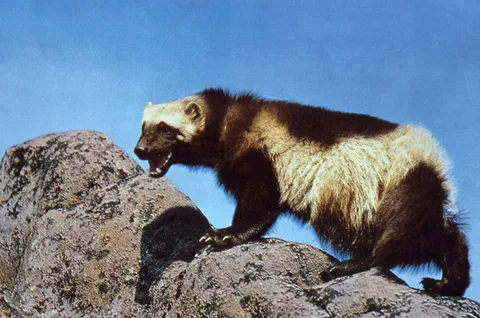
The wolverine was listed as threatened in a rule effective January 2, 2024. USFWS found it threatened “due primarily to the ongoing and increasing impacts of climate change and associated habitat degradation and fragmentation,” and expects climate change “to reduce snowpack in areas used by wolverines by as much as 50 percent in some places.” The rule found no evidence of a breeding population expanding into Colorado.
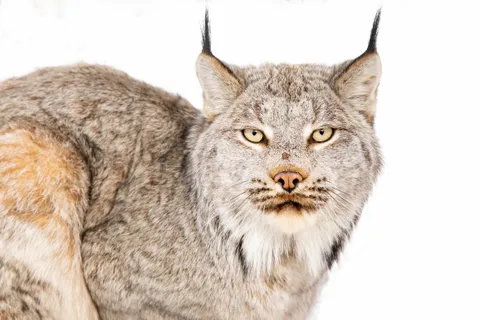
The 2024 recovery plan for the Canada lynx says “global climate change presents the greatest challenge to the long-term conservation of lynx and their boreal forest habitats in the contiguous United States.” It expects warming to cause a gradual but steady decline in the amount and quality of lynx habitat in all focal areas. Colorado’s lynx descend from 218 animals released into the San Juan Mountains from 1999 to 2006.
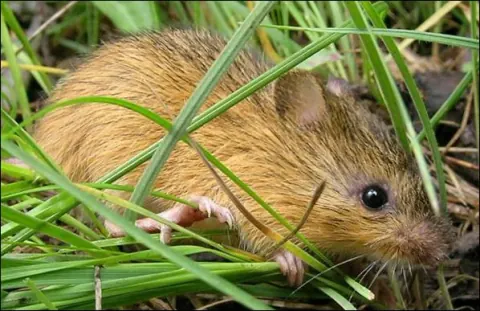
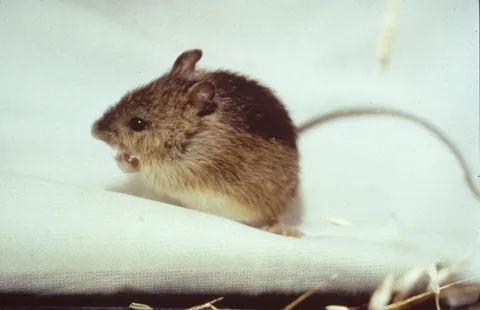
For the New Mexico meadow jumping mouse, the 2023 recovery plan lists “lack of water due to drought (exacerbated by climate change), and wildfires (also exacerbated by climate change)” among its threats. The Preble’s meadow jumping mouse recovery plan says “Drought lowers stream flows and the adjacent water table, in turn impacting riparian habitat on which the Preble’s mouse is dependent.”
Fish
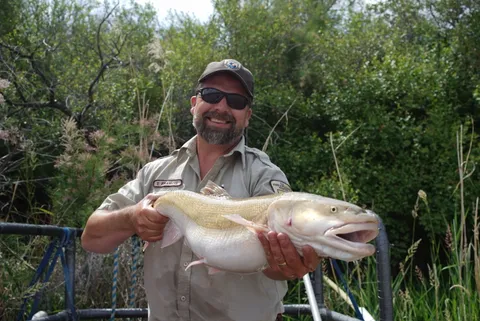
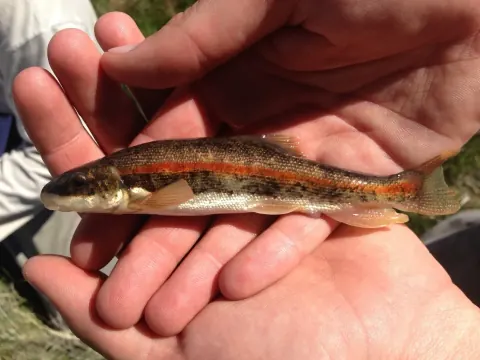
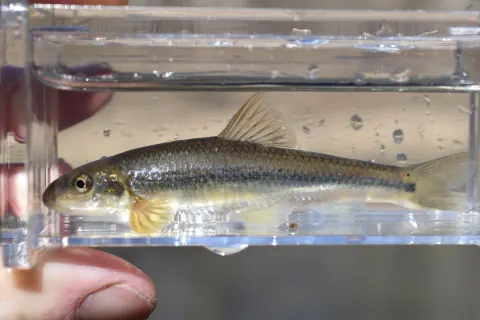
Colorado’s big-river fish feel drought as lower flows. The 2021 rule that reclassified the humpback chub says “severe and persistent drought has reduced water supply in the upper basin since 2000,” and “Climatic warming and increased evapotranspiration have exacerbated declines in precipitation since 2000.” The 2026 rule that reclassified the razorback sucker, effective August 17, 2026, says “Warming may produce a shift to decreased snowpack, lower snow-water equivalents, and earlier and lower runoff.”
In 2020, USFWS said “persistent hot and dry weather has continued to deplete flow in the critical river reach upstream of Grand Junction, putting increasing stress on the endangered fish.” Water donations that year totaled 8,685 acre-feet. The Upper Colorado River Endangered Fish Recovery Program says this stretch of about 15 miles, from Palisade to the Gunnison River confluence, “is particularly vulnerable to very low flows.” The Colorado pikeminnow profile notes that reduced snowpack and earlier runoff are projected to lower river flows. For dams and diversions, see Water Diversion & Dewatering.
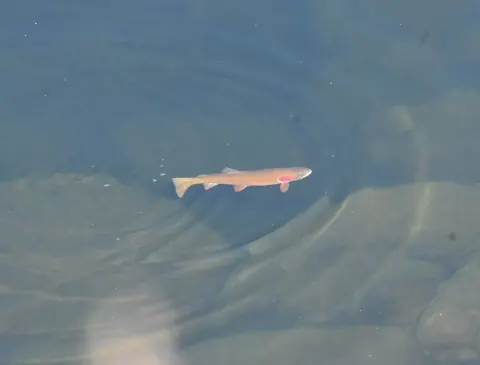
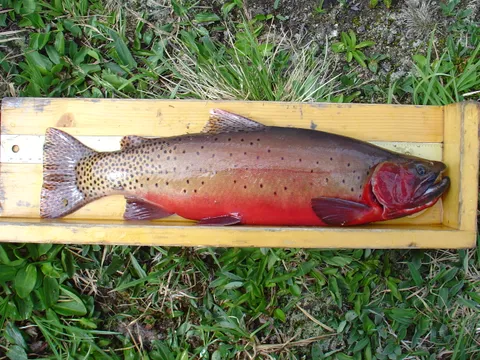
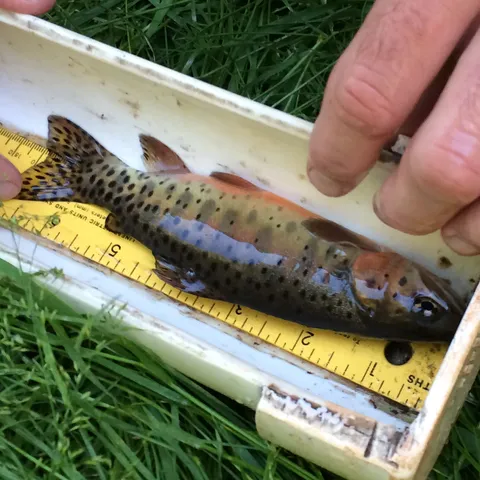
Cold-water trout face a different squeeze. USGS says the Rio Grande cutthroat trout “has already been restricted to an estimated 12% of its former range,” and “Now climate change, in the form of lower winter snowpack and reduced precipitation, challenges its long-term persistence.” It tends to live in small, fragmented streams “at higher risk of drying up during drought events.” CPW describes a study of its 121 conservation populations through 2080: although streams are predicted to warm, it found “less than 10% of populations will be adversely affected,” while nearly 65% “are predicted to be extirpated (or nearly so) by nonnative trout.” For the greenback cutthroat trout, CPW says only that, like many coldwater fish, cutthroat trout “will face numerous additional challenges in a warming climate.”
Birds
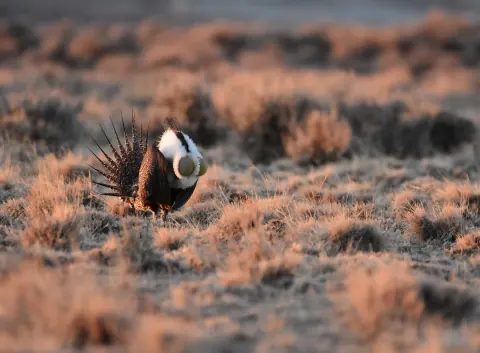
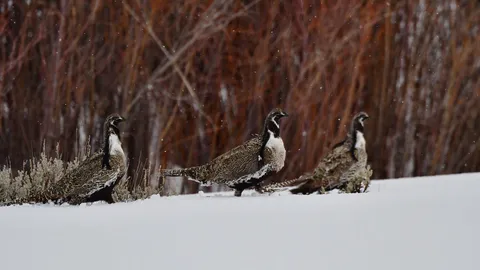
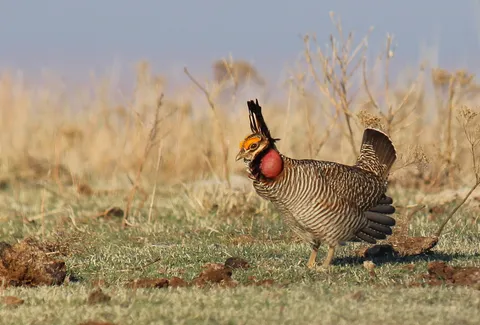
For the Gunnison sage-grouse, the 2014 listing rule names drought and climate change among “the most substantial threats,” and says “Low sagebrush canopy cover, as well as low grass height, exacerbated by drought, may have led to nest failure and subsequent population declines.” Wet areas matter most in early summer: the 2020 recovery plan says “mesic (wet) areas within or near sagebrush habitats, provide important habitats for females and chicks.”
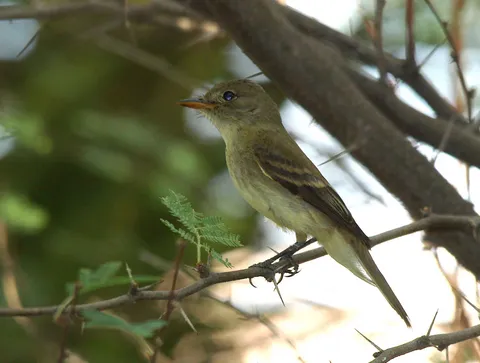
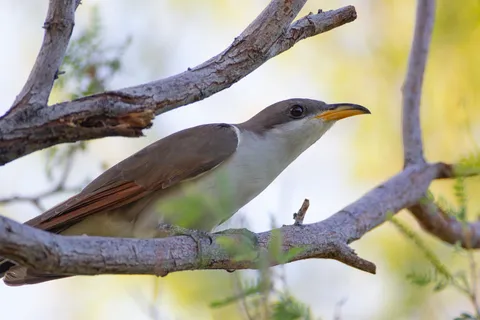
Along rivers, the 2014 five-year review for the southwestern willow flycatcher says “Periods of drought in the Southwest are common; however, the frequency and duration of droughts may be altered by climate change.” For the western yellow-billed cuckoo, the Service wrote that “a warmer and dryer Southwest, an area that is already water-stressed, with a growing human population, is likely to have an adverse effect on riparian habitat.”
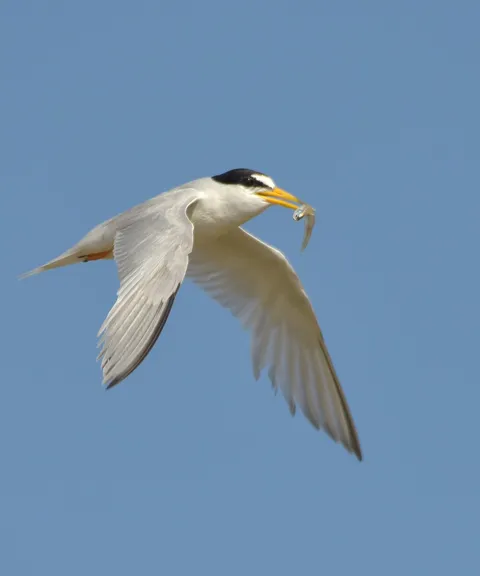
On the plains, a 2026 CPW release said Nee Noshe Reservoir “is experiencing the effects of ongoing drought and reduced reservoir operations,” and is unlikely to refill in the foreseeable future. The reservoir is a historic nesting area for the least tern: CPW’s species profile says terns “had also been confirmed as breeders in the vicinity of Neenoshe Reservoir.”
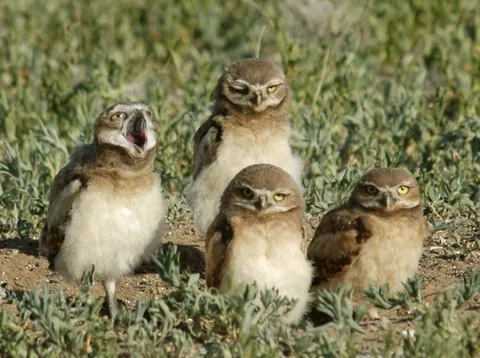
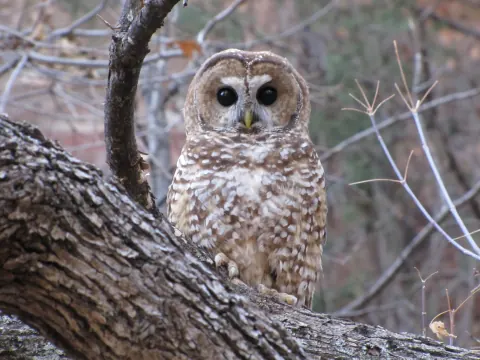
For the Mexican spotted owl, the profile notes that climate change is driving larger, hotter fires in Colorado’s canyon and montane forests.
Amphibians
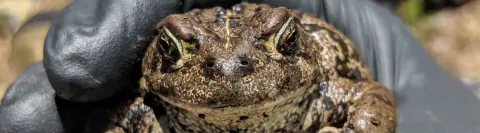
The boreal toad’s main threat is chytrid fungus. A 2017 USFWS assessment adds that climate change “may result in changes to water availability, leading to drying of breeding ponds and subsequent desiccation of eggs and tadpoles,” and that “low snowpack and warm temperatures could rouse toads out of hibernation and reduce survival.”
Butterflies and bees
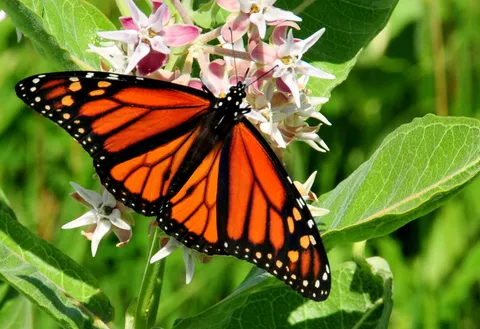
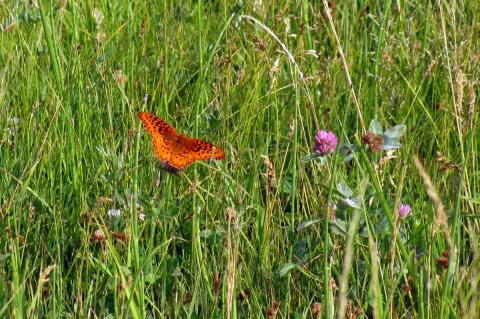
The December 2024 proposed rule for the monarch says “Drought may also influence the amount and availability of nectar needed for migrating butterflies.” It also lists phenological mismatch, with milkweed and nectar sources not lining up with monarch migration, as a climate effect.
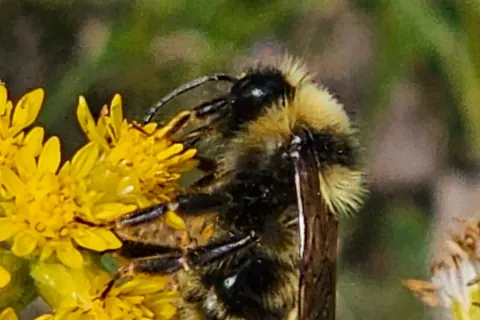
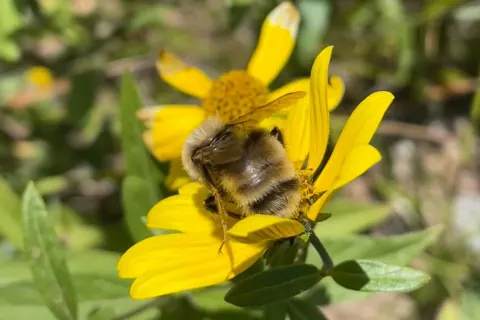
For Suckley’s cuckoo bumble bee, the December 2024 proposed rule says “Drought indirectly impacts bumble bees by altering or reducing floral resources, including reductions to the quality, quantity, and availability of pollen and nectar.” A 2023 USGS study found that “increasing summer temperatures and drought partly drove declines of the native western bumble bee in recent decades, with rising temperatures being particularly important.” The same study reported a 57% decline in the western bumble bee’s occurrence across its historical range.
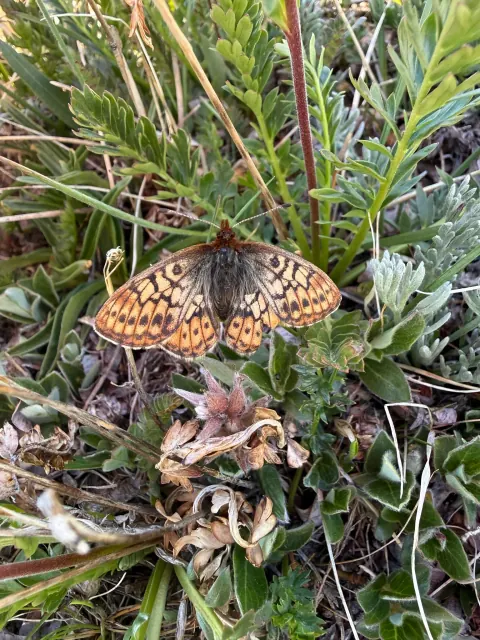
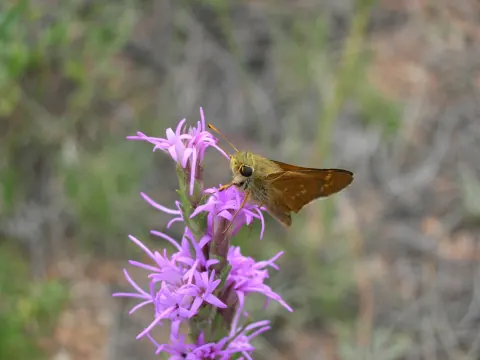
The 2020 five-year review for the Pawnee montane skipper says “Drought could be detrimental to the skipper, as demonstrated by the severe drought experienced in 2002.” In its 2009 five-year review of the Uncompahgre fritillary, USFWS wrote that climate change “could restrict the UFB’s habitat to a zone so narrow that the species would be unable to survive,” while adding: “To date, these changes do not appear to have had a negative impact on the UFB.”
What’s being done
Water kept in streams
“In 1973, the General Assembly authorized the Colorado Water Conservation Board (CWCB) to appropriate water rights for instream flows” to “preserve the natural environment to a reasonable degree.” CWCB now holds instream flow rights on nearly 1,700 stream segments covering more than 9,700 miles of stream, plus natural lake level rights on 480 natural lakes.
Water for endangered fish
The Upper Colorado River Endangered Fish Recovery Program uses 810 cubic feet per second in the main channel as its dry-year target. When flows drop below it, partners release water into the river, which the program says “is especially important during times of drought.” In 2022, the Bureau of Reclamation’s drought plan called for releases of about 500,000 acre-feet from Flaming Gorge Dam, operated in part to assist the “recovery of the populations and designated critical habitat of the four endangered fishes.”
Greenbacks in Herman Gulch
In 2016, CPW began stocking greenback fry into Herman Gulch west of Denver, a high-elevation, cold-water stream. In 2022 the Governor’s Office announced that the state fish is naturally reproducing there.
Statewide planning
CPW’s 2025 State Wildlife Action Plan says “Colorado is highly exposed to the warming climate overall, and other habitat disturbances, departure from historic fire regimes, and invasive annual grasses all contribute to habitat-specific climate change vulnerability.”
Wolverines
“The restoration of wolverines to Colorado was authorized by a bipartisan list of supporters in the 2024 Colorado State Legislature through the passage of SB24-171.” CPW plans to move up to 15 wolverines per winter for at least 3 years, 45 in all.
How you can help
- Use water wisely, especially in drought years.
- Support instream flow and river restoration work in your watershed.
- Plant native, drought-tolerant flowers for pollinators.
- Report wildlife sightings to CPW.
- Follow fire restrictions during dry spells.