Photo: Dana Shellhorn / USFWS — Public Domain
Alpine Tundra
Above treeline
By Threatened Colorado , Two Colorado natives , About us
Last reviewed , Checked against USFWS, NPS, CNHP sources , Sources (5)
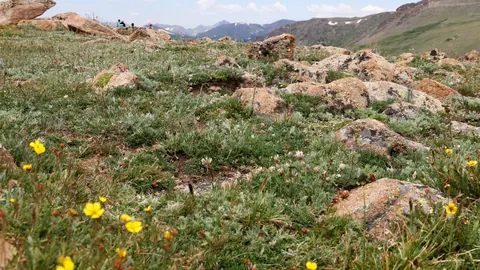
Starts at 11,000–11,500 ft
Above treeline, the tundra covers only about 3% of Colorado. July's average high is 52°F, summer winds average about 20 mph, and the growing season may last just 40 days.
Why it matters
About a third of Rocky Mountain National Park is above treeline. The National Park Service describes cushion plants that "look like ground-hugging clumps of moss" with long taproots, and plants with dense hairs on their stems and leaves against the wind. Yellow-bellied marmots, American pikas, white-tailed ptarmigan and bighorn sheep live here, and elk move up in summer.
One endangered butterfly lives nowhere else. Every known colony of the Uncompahgre fritillary is tied to large patches of snow willow above 12,400 feet in the San Juan Mountains, USFWS says.
- On Trail Ridge Road the tundra is "normally windy and 20 to 30 degrees colder than Estes Park or Grand Lake."Source: National Park Service, Rocky Mountain NP: Trail Ridge Road
- "About 200 species of tiny alpine plants hug the ground."Source: National Park Service, Rocky Mountain NP: Trail Ridge Road
Under pressure
- A warming climate. USFWS says climate change has not yet been an observable threat to the Uncompahgre fritillary or its habitat, but it "may pose the largest threat" and should be monitored. Climate Change & Drought
- Footsteps. The Park Service says "repeated footsteps often destroy tundra plants" and that "recovery may take hundreds of years," so stay on trails and hardened surfaces.
Where to see it
Trail Ridge Road, Rocky Mountain National Park
Eleven miles of the road run above treeline, to a high point of 12,183 feet. The Tundra World Nature Trail is a half-hour walk from the parking area at Rock Cut. The road is open seasonally, generally from Memorial Day weekend to mid-October.
Great Sand Dunes National Park and Preserve
Alpine tundra is the highest ecosystem in the park, around alpine lakes such as Lower Sand Creek Lake and South Twin Lake.
Species in this habitat (3)
- Photo: Blue Mountains – Oregon Conservation Strategy — Public DomainReturn Planned
- Photo: Alexandra Nelson / iNaturalist — CC BY-NC 4.0
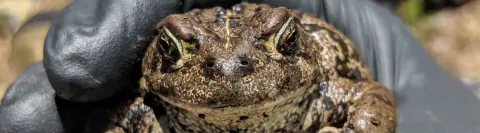
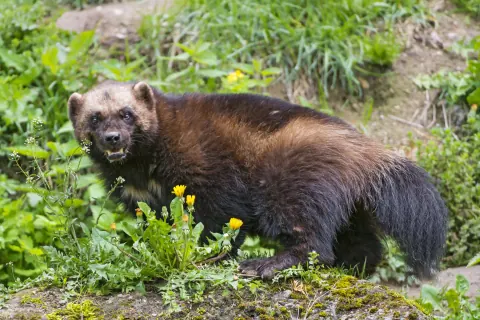
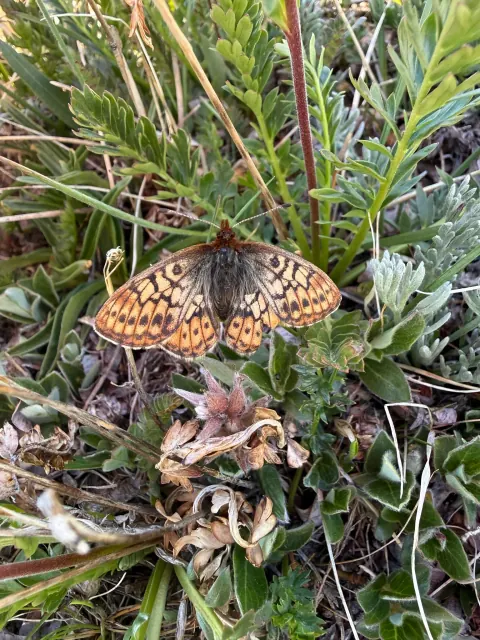
See alpine tundra in the explorer
Sources (5)
- Colorado Natural Heritage Program, Ecological Systems: Alpine Tundra
- National Park Service, Rocky Mountain NP: Alpine Tundra Ecosystem
- National Park Service, Rocky Mountain NP: Trail Ridge Road
- U.S. Fish and Wildlife Service, Uncompahgre fritillary butterfly (Boloria acrocnema)
- National Park Service, Great Sand Dunes NP & Preserve: Natural features and ecosystems
Photo credits
- Alpine Tundra: NPS / M. Reed, Public domain