What it is
When a lead-core bullet hits a deer or elk, it breaks apart. A 2006 study in the Wildlife Society Bulletin X-rayed deer shot with lead-core bullets and found fragments spread as far as 15 cm from the wound channel. Field-discarded offal piles held 2 to 521 fragments, with a mean of 160, and lead-core bullets left fragments in 94% of samples.
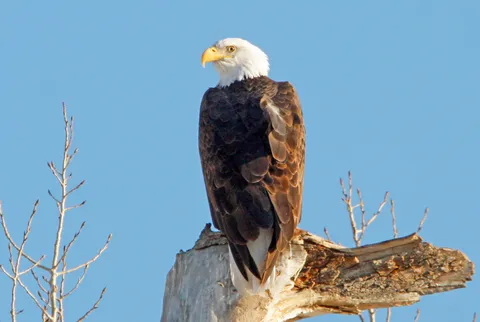
Scavengers eat those gut piles and carcasses. According to the U.S. Fish and Wildlife Service, “A lead fragment no bigger than a grain of rice can sicken and even kill an animal the size of a bald eagle.”
Acute poisoning can kill without warning. Chronic exposure causes weakness, weight loss, green diarrhea, loss of coordination, paralysis or convulsions. Fishing tackle poisons birds too: loons swallow lead sinkers and trumpeter swans swallow lead shot while feeding, and lead deaths are documented in whooping cranes.
In Colorado
- 1991: Nontoxic shot became required nationwide for waterfowl hunting.
- 2023: HB23-1036 created a voluntary Nontoxic Bullet Replacement Hunting Program.
- June 8, 2024: The program held a public range day at the Cameo Shooting Complex, one of its range demonstrations comparing lead and copper ammunition.
- June 2026: In June 2026, advocacy groups petitioned the CPW Commission to phase out lead ammunition for hunting; the outcome had not been announced as of September 2026.
- 2026–27 season: USFWS is offering elk hunters at Alamosa, Baca and Monte Vista national wildlife refuges up to $50 per box of non-lead rifle ammunition or $25 per box of shotgun or muzzleloader rounds, two boxes maximum.
CPW says it has enacted no new lead-ammunition regulations.
Effects on wildlife
A 2022 study in Science by Slabe and colleagues sampled 1,210 eagles from 38 states between 2010 and 2018. It found that 47% of bald eagles and 46% of golden eagles showed chronic, repeated lead exposure. Lead is estimated to suppress population growth by 3.8% a year for bald eagles and 0.8% for golden eagles. Bald eagles are still growing overall, while golden eagles are holding steady or possibly declining.
Hunting season is when exposure spikes. A 2012 study in PLoS ONE from Jackson Hole, Wyoming, found that during hunting season 24% of bald eagles sampled had clinical lead exposure, versus none outside hunting season. As hunters’ use of non-lead ammunition rose from 24% to 31%, eagle exposure dropped significantly.
What’s being done
Nontoxic shot for waterfowl
Nontoxic shot has been required nationwide for waterfowl hunting since 1991.
A voluntary program in Colorado
HB23-1036 created the Nontoxic Bullet Replacement Hunting Program: range demonstrations comparing lead and copper ammunition, including the June 8, 2024 public range day at the Cameo Shooting Complex, and a hunter survey.
An incentive on the refuges
For 2026–27, USFWS offers elk hunters at Alamosa, Baca and Monte Vista national wildlife refuges up to $50 per box of non-lead rifle ammunition or $25 per box of shotgun or muzzleloader rounds, two boxes maximum, as part of a voluntary program at 26 refuges in 19 states.
A pending petition
In June 2026, advocacy groups petitioned the CPW Commission to phase out lead ammunition for hunting; the outcome had not been announced as of September 2026.
Does it affect people?
It can. A 2008 CDC and North Dakota Department of Health study of 738 people found that the more recently people had eaten game shot with lead bullets, the higher their blood lead. Minnesota DNR testing found lead fragments as far as 18 inches from the exit wound, and said routine trimming can’t reliably remove them. Copper bullets greatly reduce this.
How you can help
- Hunt with copper or other non-lead ammunition. CPW says it is available in all popular calibers.
- Use lead-free fishing sinkers and jigs.
- If you hunt the San Luis Valley refuges, use the USFWS incentive for non-lead ammunition.