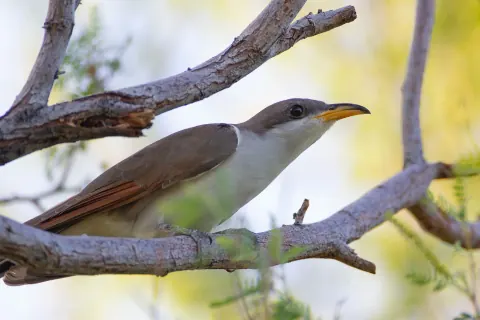
Photo: Roy W. Lowe / USFWS — Public Domain
USNot Listed COSpecial Concern
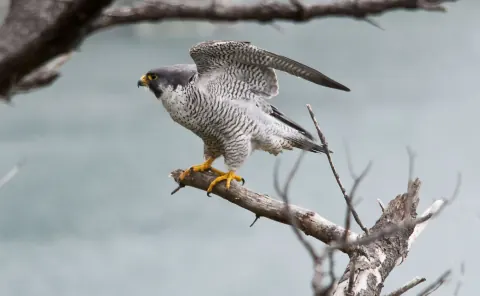
American Peregrine Falcon
Falco peregrinus anatum
bird High Cliffs and Bluffs
Statewide, along water
By Threatened Colorado , Two Colorado natives , About us
Last reviewed , Checked against USFWS, CPW, NPS sources , Sources (8)
All elevations
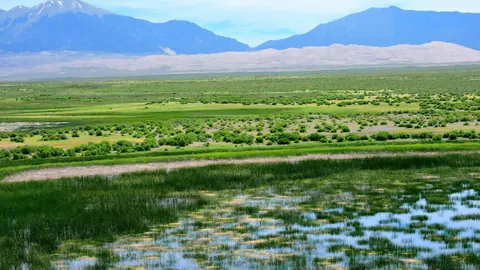
Wetlands make up less than 2% of Colorado's landscape, yet over 75% of the state's species benefit from them. Plains cottonwood forests line rivers on the eastern plains, and montane riparian forests begin around 6,000 to 7,500 feet.
Two kinds of streamside forest. On the plains, plains cottonwood grows with several kinds of willow; in the foothills and mountains, montane riparian forests "tend to be dominated by alder and blue spruce," the Colorado State Forest Service says. Montane riparian forest covers about 1 million acres, plains riparian forest about 250,000.
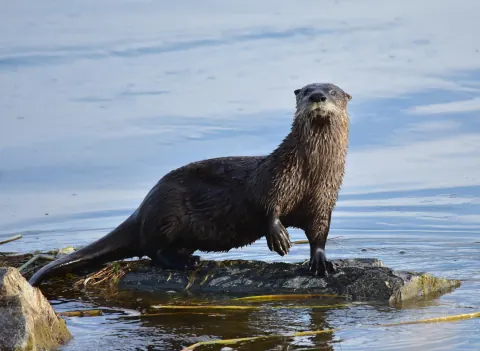
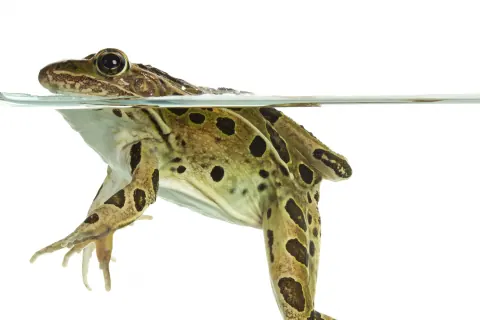
Small in area, large in use. "The vast majority of species that occupy montane habitats rely on riparian forests at some point in their life cycle," according to the Forest Service, from amphibians to beaver, river otter, elk and moose.
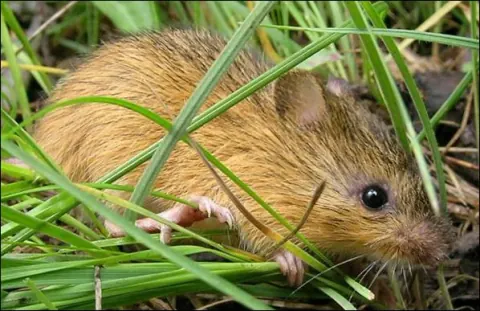
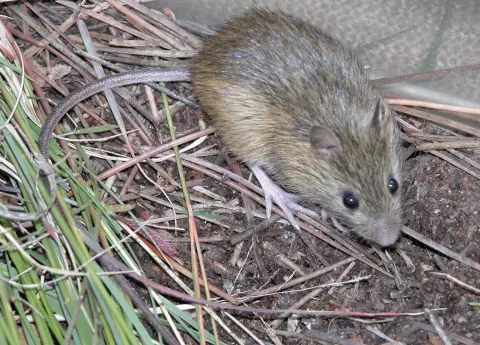
For some animals the streamside strip is the whole habitat. The endangered New Mexico meadow jumping mouse needs tall, dense sedges and forbs on soil kept wet by flowing water, and nests in drier ground beside it, USFWS says. One of its two known Colorado populations lives in the Sambrito Wetlands of Navajo State Park, according to the 2016 critical habitat rule.
Old cottonwoods are nest trees. In 1969, along the Arkansas River in Crowley and Otero counties, red-headed and Lewis's woodpeckers were found nesting side by side in dead or partly decayed plains cottonwoods, the red-headed mostly in the river bottom and Lewis's mostly in farmland trees.
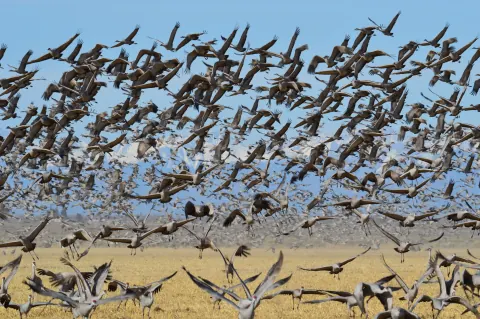
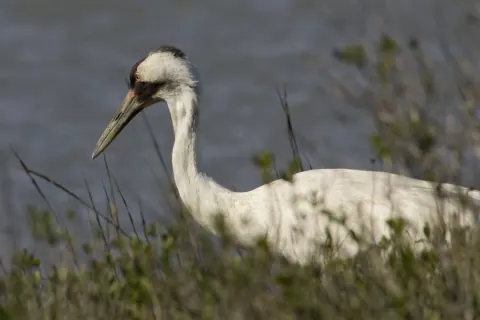
Managed wetlands on 14,804 acres in the San Luis Valley. In spring the refuge hosts about 95% of the Rocky Mountain population of greater sandhill cranes, 18,000–21,000 birds; migration peaks around the first week of March and the second week of October.
The Yampa, "the only remaining free-flowing tributary in the Colorado River system," keeps remnant native cottonwood, willow and box elder streamside communities.
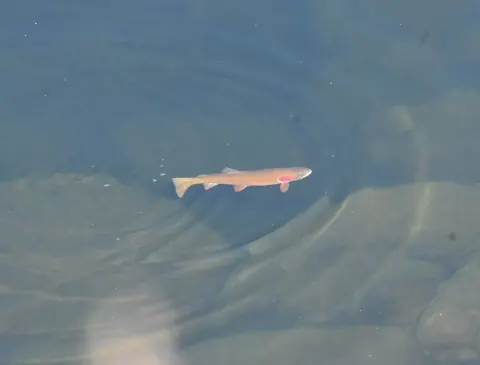
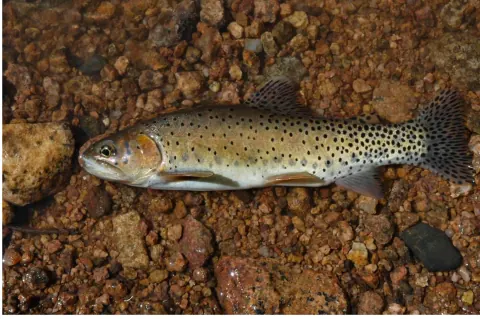
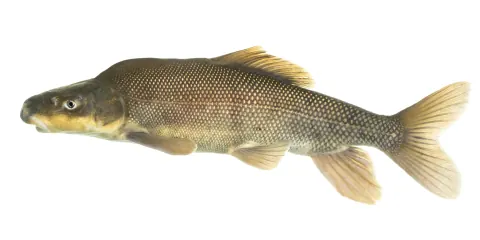
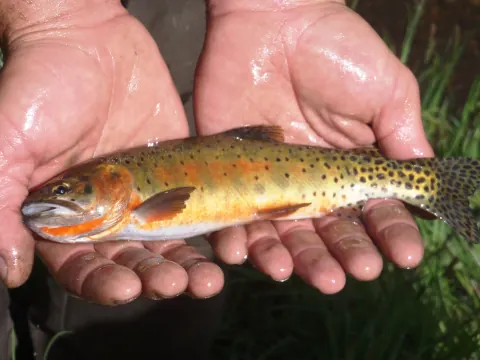
Rio Grande cutthroat trout and the endangered Rio Grande sucker live in the creek.
Falco peregrinus anatum
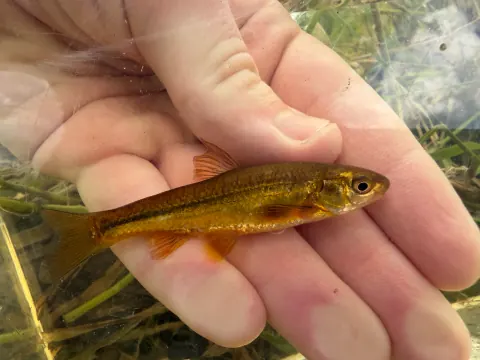
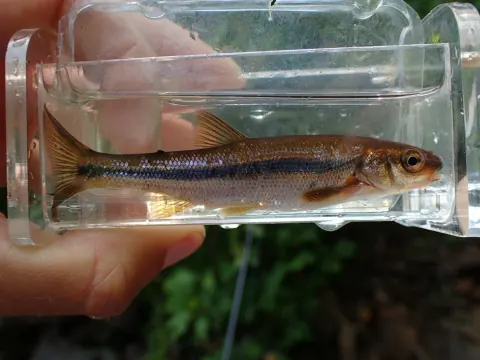
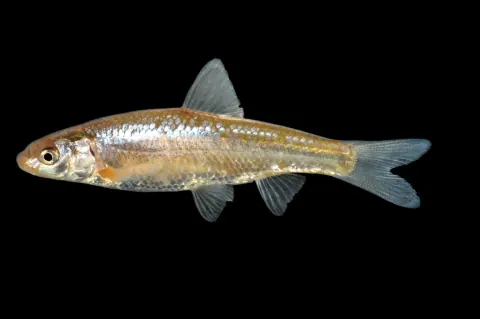
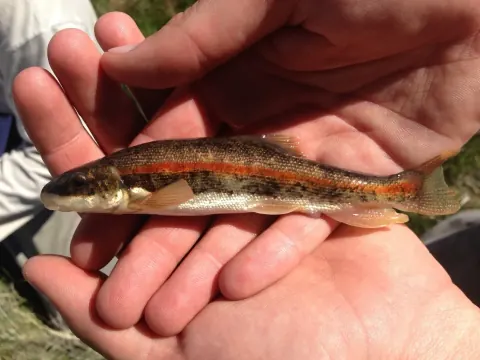
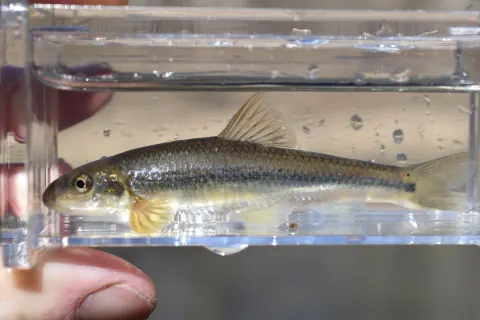
Hybognathus hankinsoni
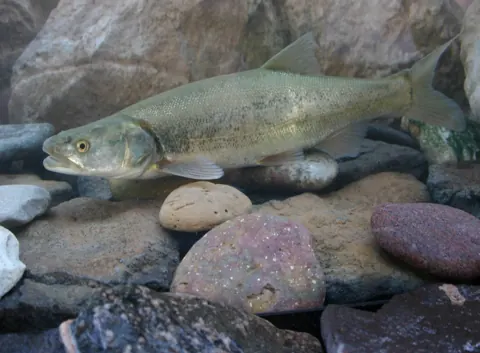
Oncorhynchus clarkii pleuriticus
Luxilus cornutus
Antigone canadensis tabida
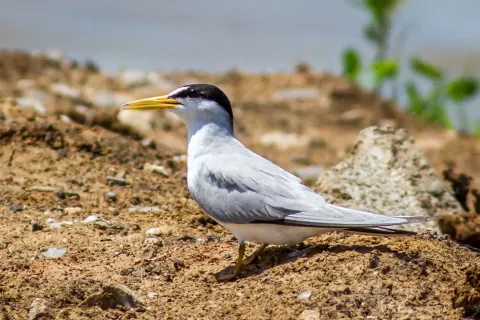
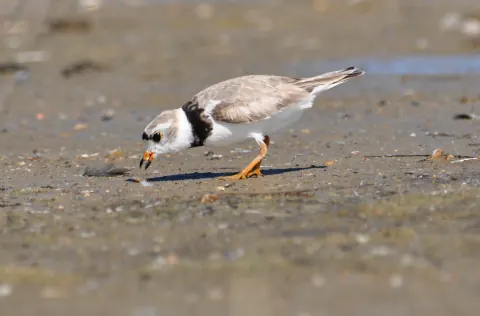
Sternula antillarum athalassos
Lontra canadensis
Oncorhynchus clarkii virginalis
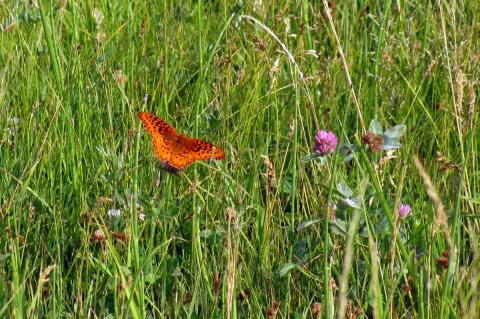
Speyeria nokomis nokomis
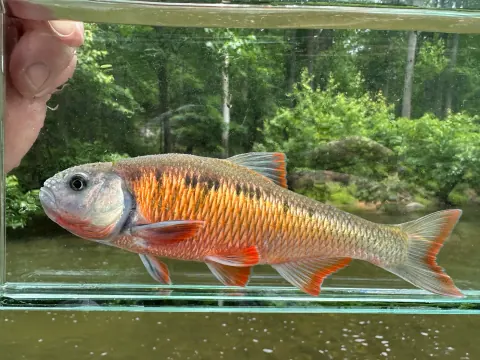
Chrosomus erythrogaster
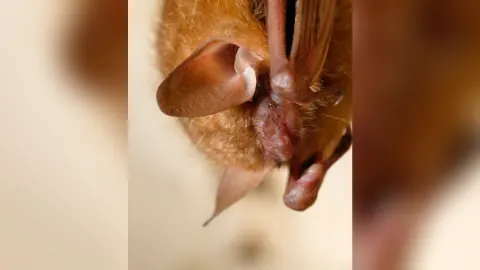
Perimyotis subflavus
See rivers, streams & wetlands in the explorer