Photo: Tom Koerner / USFWS — Public Domain
USNot Listed COSpecial Concern
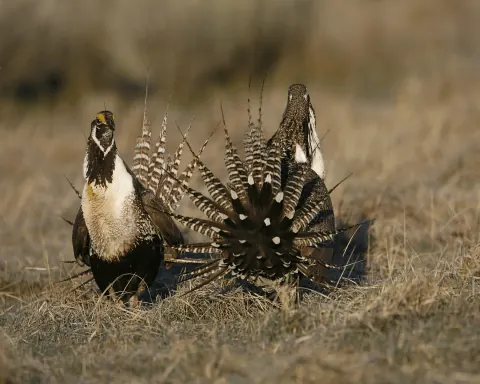
Greater Sage-Grouse
Centrocercus urophasianus
bird Sagebrush Flats, Slopes, Ridges and Plateaus
West Slope, North Park, Middle Park and the upper Gunnison Basin
By Threatened Colorado , Two Colorado natives , About us
Last reviewed , Checked against CPW, NPS, CNHP sources , Sources (6)
5,000–10,000 ft
Sagebrush shrublands grow on both slopes, but the largest stands are on the western slope, with extensive stands in North Park, Middle Park and the upper Gunnison Basin. The Gunnison sage-grouse lives only in central and southwestern Colorado and southeastern Utah; at its 2014 listing, USFWS's listing rule put about 84% of the birds in the Gunnison Basin.
Two kinds of sagebrush. Big sagebrush shrublands, with taller sagebrush and a grassy understory, fill broad basins between mountain ranges; shorter montane sagebrush steppe grows on ridges and mountain slopes, the Colorado Natural Heritage Program says.
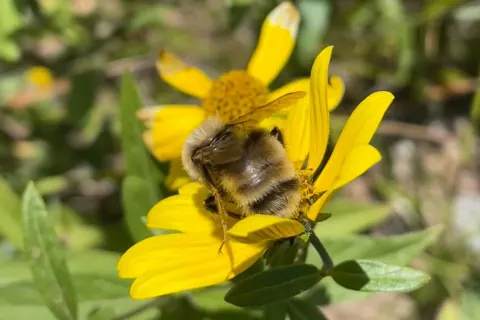
Sagebrush feeds and shelters many small mammals and birds. CNHP names the Gunnison sage-grouse, greater sage-grouse, Brewer's sparrow and sage sparrow among the Species of Greatest Conservation Need that live in it.
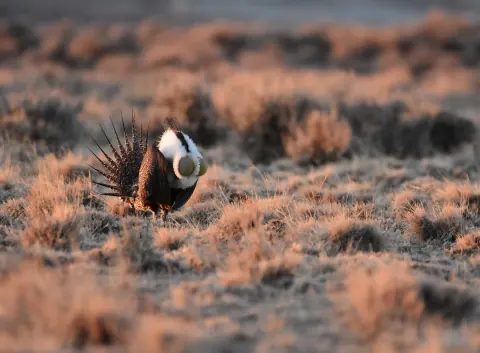
A small CPW site in Gunnison County for watching a Gunnison sage-grouse lek on set days in April. Arrive at least an hour before sunrise, stay in your vehicle with the engine off and keep quiet.
Sagebrush in the Gunnison Basin, where the Park Service monitors habitat health and removes weeds. Clean seeds from shoes and gear before and after hiking, keep pets leashed and respect closures during the grouse mating season.
Piñon-juniper woodland and sagebrush shrubland are the main vegetation above the canyon.
Centrocercus urophasianus
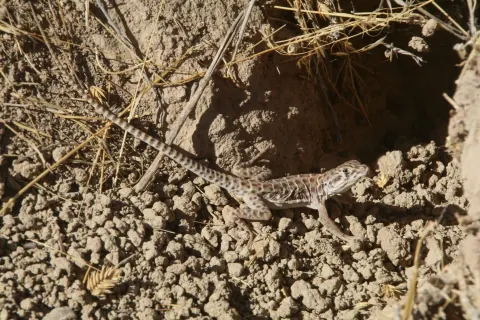
Gambelia wislizenii