Quick facts
- Where
- Near Kremmling, Grand County
- Populations
- Five scattered populations (USFWS); 7 occurrences in 5 areas (CNHP)
- Height
- 12 to 40 inches
- Blooms
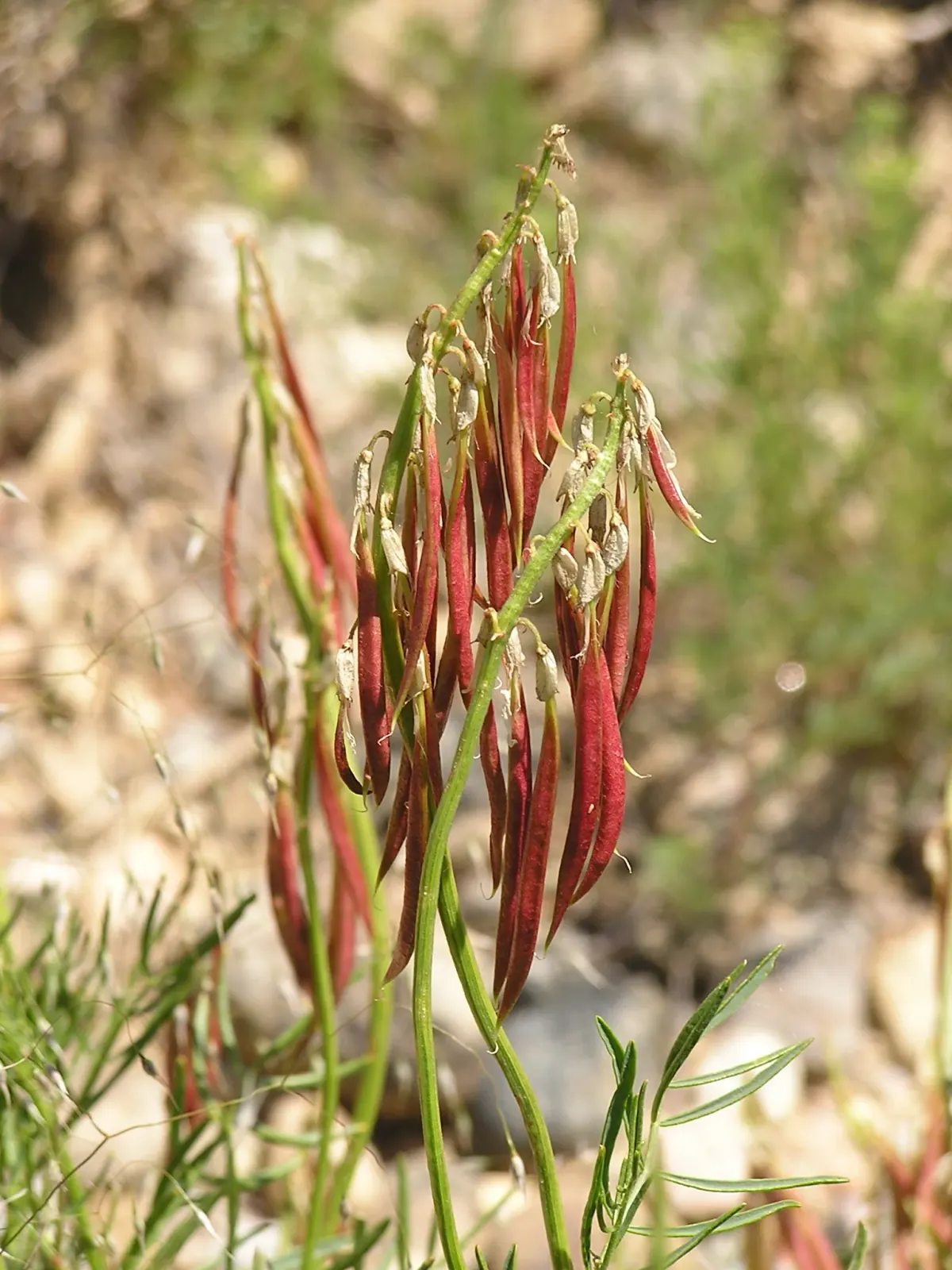
- June to August; pods turn maroon in fall
- First collected
- 1905, by George Osterhout
- Status
- Federally endangered since 1989; CNHP G1 / S1
Overview
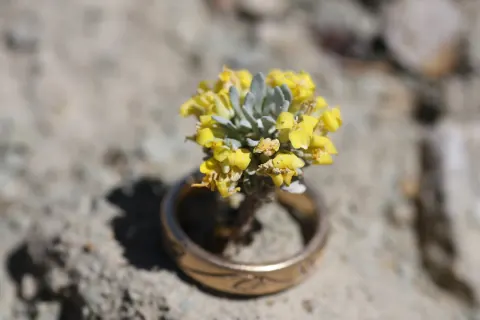
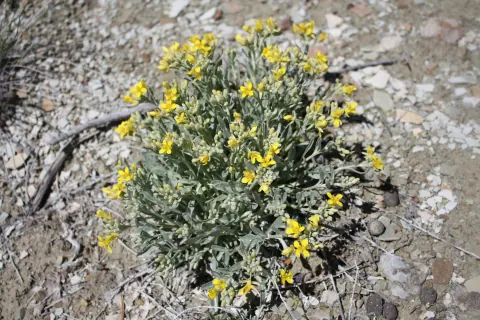
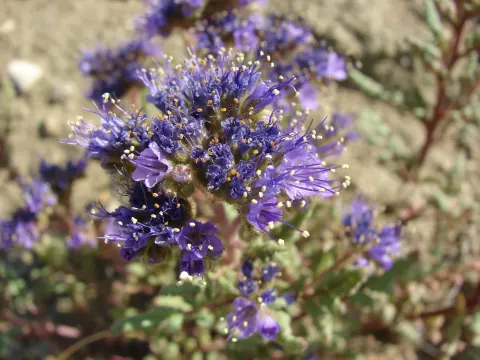
Kremmling milkvetch (Astragalus osterhoutii), long called Osterhout milkvetch, is a tall, herbaceous member of the pea family. Many slender, upright stems carry leaves of narrow leaflets, and in summer creamy white flowers hang along the ends of the flowering stalks. In fall its long green pods often turn maroon red. George Osterhout, a Colorado botanist, first collected it in 1905.
USFWS listed it as endangered in 1989. The Colorado Natural Heritage Program ranks it G1 and S1, critically imperiled, and considers it extremely vulnerable to climate change. Colorado has no state list for plants.
Where it grows
The milkvetch is known only from about 15 miles near Kremmling in Middle Park, a high-elevation sagebrush valley ringed by Rocky Mountain ranges in Grand County. It grows on barren shale soils so rich in selenium that the plant takes it up (see the FAQ). CNHP describes grayish-brown clay from Niobrara, Pierre and Troublesome formation shales on moderate slopes, among sagebrush, rabbitbrush, snakeweed and western wheatgrass.
Threats
USFWS lists off-highway vehicle recreation, road and utility construction and maintenance, mining, oil and gas exploration, concentrated livestock use and land development, plus climate change and invasive weeds (invasive plants). Some plants were lost when Wolford Dam was built, and CNHP still names dam maintenance at Wolford Mountain Reservoir as a concern, along with snowplowing and weed control along roads and black blister beetle feeding.
Protection and recovery
A USFWS recovery plan approved on September 30, 1992 covers Kremmling milkvetch together with Penland’s beardtongue, another endangered endemic of the same Middle Park shales. CPW’s 2025 State Wildlife Action Plan lists it as Tier 1.
What you can do
- Ride on designated routes around Kremmling; off-route vehicles are its first-listed threat.
- Leave plants and pods where they are.
- Watch for weeds on shale slopes and report them to the land manager.
Frequently asked questions
- Why does Kremmling milkvetch smell like garlic?
- It grows on shale soils rich in selenium and concentrates the selenium in its tissues, which gives the plants a distinctive garlic-like odor, USFWS says.
- What eats Kremmling milkvetch?
- Black blister beetles feed on it, and cattle and wildlife graze and trample it, the Colorado Natural Heritage Program reports. CNHP lists both as threats.
- Is it the same plant as Osterhout milkvetch?
- Yes. USFWS now uses Kremmling milkvetch as the common name, and also lists Osterhout milkvetch and Kremmling Osterhout milkvetch, after the botanist George Osterhout, who first collected it.