Quick facts
- Size
- Usually under 2 inches
- Last native population
- West Plum Creek drainage, south of Chatfield Reservoir
- Stocked sites
- About 30; five now self-sustaining (CPW, 2026)
- Latest stocking
- 18,000+ fish, Pawnee National Grassland, May 13, 2026
- Colorado rank
- S1, critically imperiled (NatureServe)
- Status
- State endangered; SWAP Tier 1 (CPW, 2025); never federally listed
Overview
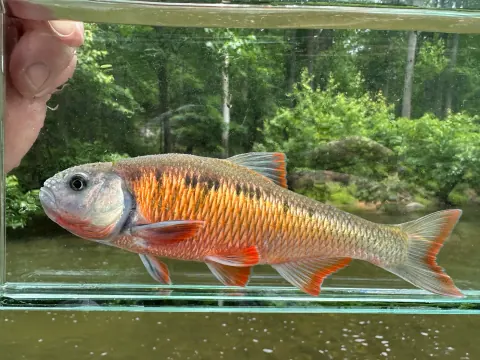
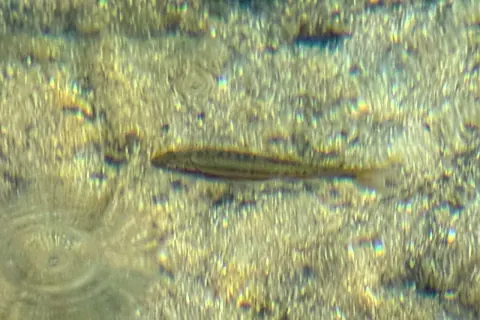
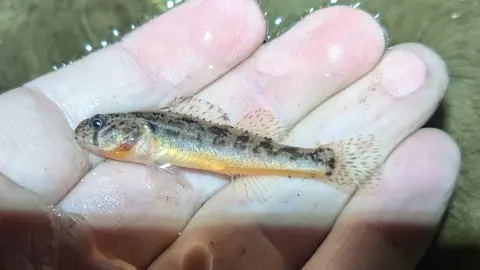
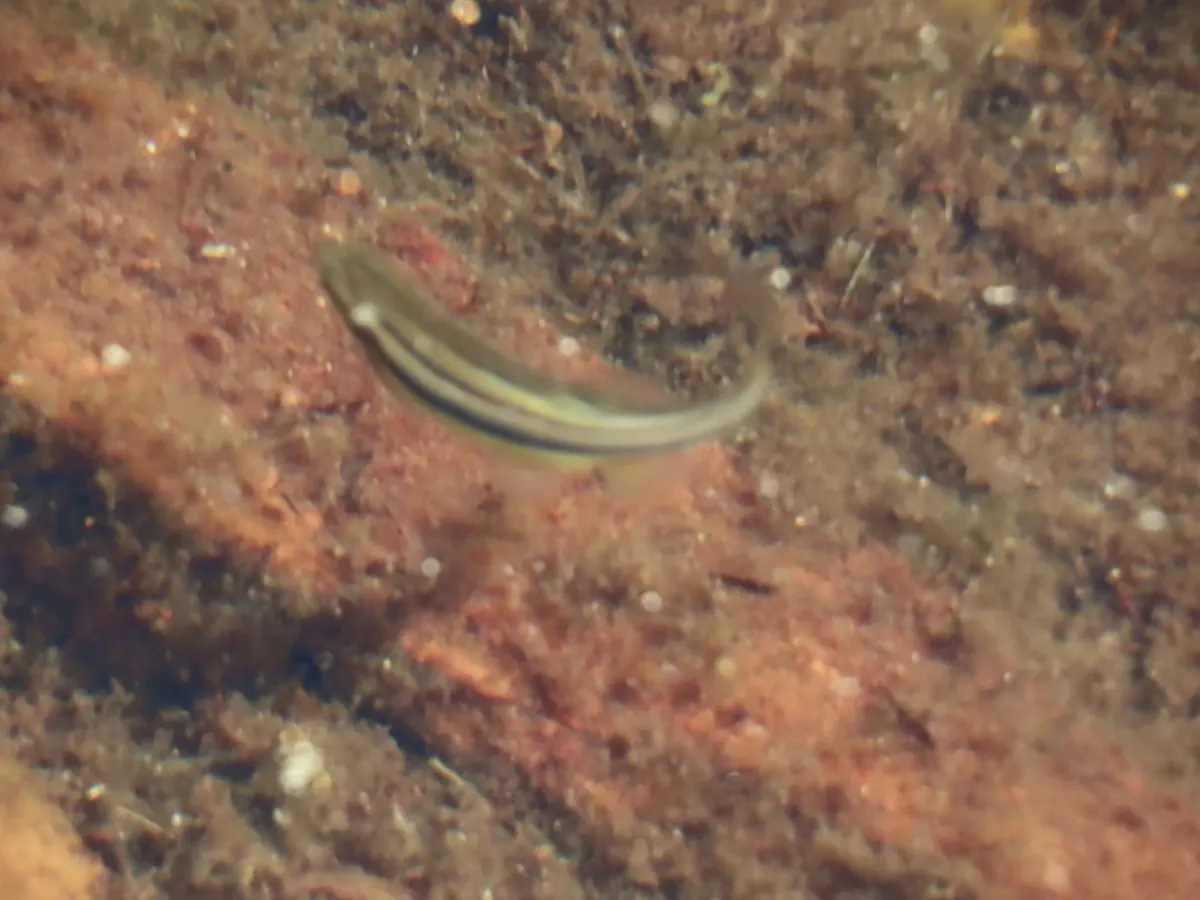
The northern redbelly dace (Chrosomus eos) is a tiny minnow, usually under 2 inches long. In summer, males take on the red belly that gives the species its name. It lives in scattered populations across the northern United States and Canada, where NatureServe ranks it secure (G5).
In Colorado it is state endangered and ranked S1, critically imperiled. CPW’s 2025 State Wildlife Action Plan lists it as a Tier 1 Species of Greatest Conservation Need. It has never been listed under the federal Endangered Species Act.
Habitat in Colorado
The dace lives only in the South Platte River basin. It needs cool, slow-moving, heavily vegetated water that flows year-round and is free of pollution and predatory non-native fish. CPW describes its best habitat as spring-fed small streams with slow pools, undercut banks, shade, woody debris and water about 63 to 75°F (rivers and wetlands).
Habitat loss and non-native fish drove the species down through the 1800s and 1900s. By the 1990s only one native population was left, in the West Plum Creek drainage south of Chatfield Reservoir. CPW’s 2024 assessment of St. Vrain Creek lists it as last observed there in 1985.
Primary Threats
- Predatory fish. Dace persist where large predatory fish are absent. CPW’s habitat guidance calls for barriers to keep predatory and non-native fish out, and for no stocking of predatory fish or bullfrogs in dace waters (nonnative fish).
- Habitat alteration. Changes to streams and ponds, silt and pollution remove the clear, weedy water the species needs (habitat loss).
- Dewatering. CPW recommends protecting the springs that feed dace streams and restoring dewatered streams (water diversion).
Recovery Efforts
Colorado’s recovery program grew from that last native population in the West Plum Creek drainage. CPW spawns and rears the fish at its Native Aquatic Species Restoration Facility in Alamosa and has stocked them at about 30 sites; five of those populations are now self-sustaining.
On May 13, 2026, CPW and the U.S. Forest Service released more than 18,000 dace into a small groundwater-fed creek on the Pawnee National Grassland in Weld County. It was the first stocking of the species on Forest Service land in Colorado and the first on federal land in about 20 years. CPW biologists will watch the site for natural reproduction.
What You Can Do
- Keep fish where they belong. Never stock or dump fish, bait or bullfrogs into ponds and springs; CPW names predatory fish and bullfrogs as threats to dace waters.
- Protect springs. If you own land with a spring-fed creek or pond in the South Platte basin, shade, plenty of aquatic plants and steady spring flow are what this fish needs.
- Report it. Small red-bellied minnows in a South Platte spring creek are worth a photo. See Report a Sighting.
Frequently asked questions
- Why do biologists call the northern redbelly dace an indicator species?
- It needs cool, clean, vegetated water without predatory fish, so finding it says a lot about a stream. CPW aquatic biologist Matt Haworth said that when biologists find them in a body of water, they learn a lot about that environment.
- What does a northern redbelly dace eat?
- It is an omnivore, CPW says, feeding on plants, small invertebrates and detritus throughout the water column.
- How is it different from the southern redbelly dace?
- The northern is usually under 2 inches, while the southern redbelly dace reaches about 3. In Colorado they never meet: the northern lives in the South Platte basin and the southern in the Arkansas basin.