Quick facts
- Size
- Up to about 3 inches
- Historic Colorado range
- Small tributaries and ponds from near Cañon City to near Pueblo
- Wild populations
- Two, plus transplants from lost populations (Bestgen et al. 2013)
- Oldest Colorado specimen
- 1913
- Colorado rank
- S1, critically imperiled (NatureServe)
- Status
- State endangered; SWAP Tier 1 (CPW, 2025); never federally listed
Overview
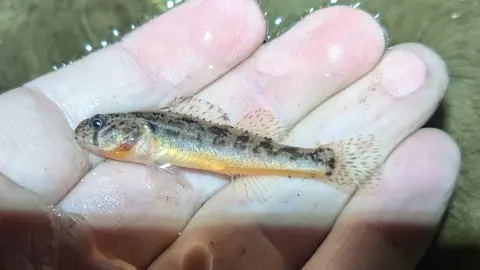
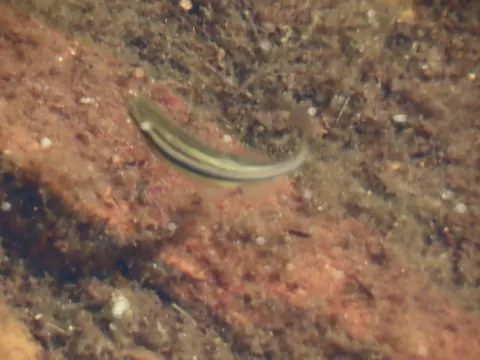
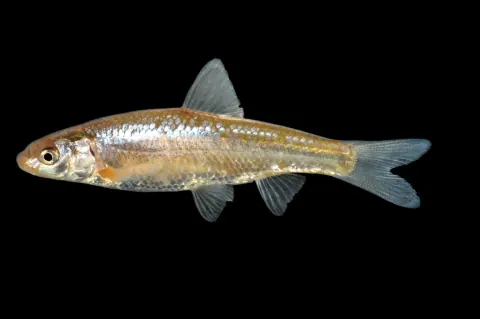
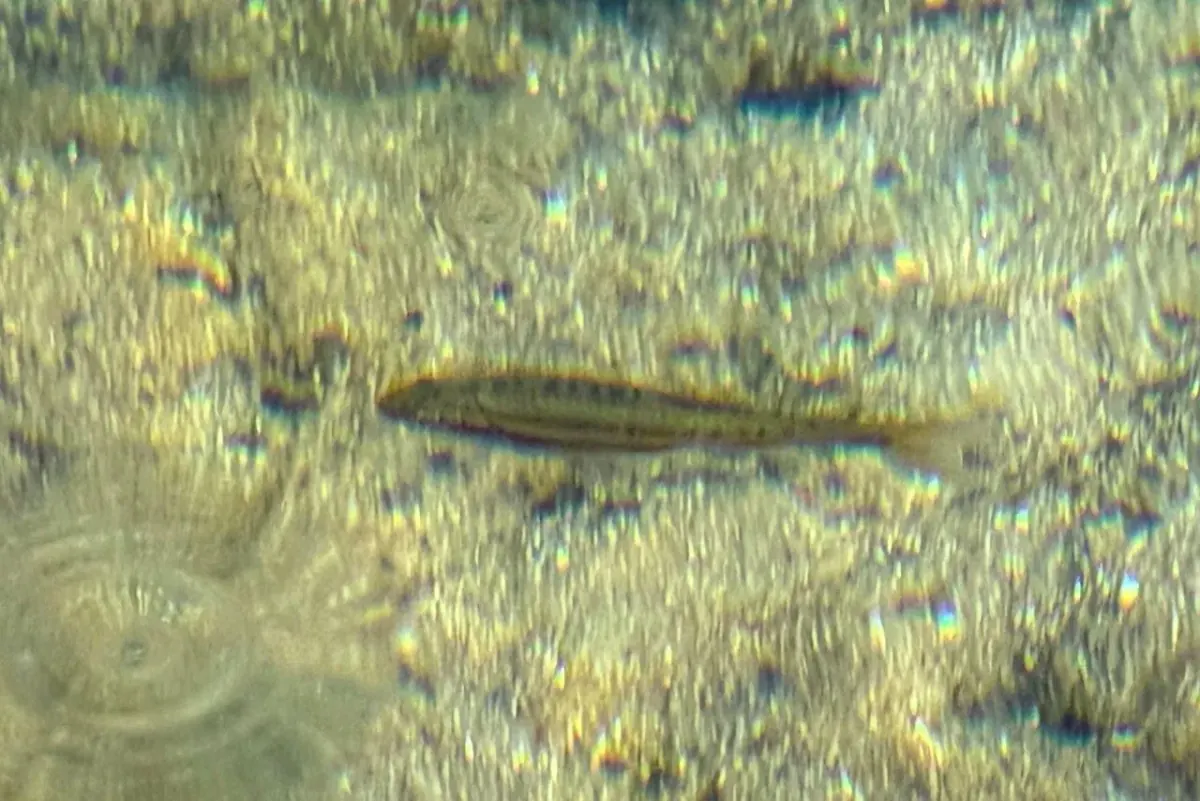
The southern redbelly dace (Chrosomus erythrogaster) is a small minnow, up to about 3 inches long. In summer, males develop the scarlet belly that gives the species its name. It is common in upland and spring-fed streams of the Mississippi and Great Lakes basins, and NatureServe ranks it secure (G5).
Colorado’s dace are an isolated outpost in the upper Arkansas River drainage. The state lists the species as endangered, NatureServe ranks it S1, critically imperiled, in Colorado, and CPW’s 2025 State Wildlife Action Plan names it a Tier 1 Species of Greatest Conservation Need. It has never been federally listed.
Habitat in Colorado
A 2013 review of museum specimens and records by Bestgen, Crockett and Foutz found the species documented only in a small area, from near Cañon City downstream to near Pueblo. Every location was a small tributary stream or an off-channel pond. The authors counted two remaining wild populations in Colorado. Others survive only as transplants, moved from populations that are now gone.
CPW’s habitat guidance lists the drainages where the dace is now known: the upper Arkansas River, Fountain Creek, Chico Creek, the Apishapa River and Big Sandy Creek. It does best in spring-fed streams up to third order, with slow pools, undercut banks, plenty of algae, shade, woody cover, and clear, cool water of about 63 to 75°F (rivers and wetlands).
Primary Threats
The U.S. Fish and Wildlife Service lists reduced flows, poorer water quality, physical changes to streams, non-native species, collection for bait or aquariums, and broken-up gene flow as threats to the species across its range.
- Dewatering. USFWS notes that cool, clear groundwater is in demand for irrigation and town water supplies, and that many spring seeps have been dammed into lakes the dace can’t use. CPW’s guidance calls for protecting the springs that feed dace streams and restoring dewatered ones (water diversion).
- Predatory fish. The dace needs water without large predatory fish. CPW recommends barriers against predatory and non-native fish and no stocking of predators or bullfrogs (nonnative fish).
- Silt and pollution. CPW recommends buffers to keep silt out, monitoring for toxins and care in siting wastewater plants (habitat loss).
Recovery Efforts
CPW raises southern redbelly dace at its Native Aquatic Species Restoration Facility in Alamosa, along with the northern redbelly dace, plains minnow, suckermouth minnow, Arkansas darter and common shiner.
The 2013 review recommended protecting both the remaining wild populations and the transplanted ones that came from lost populations, and more surveys to find out whether others exist. CPW’s guidance adds restocking suitable streams with dace from the nearest stream and finding new habitat for translocations.
What You Can Do
- Leave springs and ponds alone. Small spring-fed creeks and ponds between Cañon City and Pueblo may hold this fish. Don’t stock fish or release bait there.
- Return it. Any state endangered fish you catch must go back in the water unharmed right away, under CPW rules.
- Report it. A photo of a red-bellied minnow in the upper Arkansas basin is worth sending in. See Report a Sighting.
Frequently asked questions
- What does a southern redbelly dace eat?
- It grazes algae and other material off rocks, the streambed and submerged objects, CPW says.
- Is the southern redbelly dace native to Colorado?
- Yes. A 2013 review of museum records supported native status in the Arkansas River basin, partly on the strength of a previously overlooked fish collected in 1913.
- Where else does the southern redbelly dace live?
- Mostly in the Mississippi and Great Lakes basins, from New York to Minnesota and south to Alabama and Arkansas, according to NatureServe. Colorado and New Mexico hold isolated populations in the upper Arkansas River drainage.